Bone Cancer: What It Can Do To Your Skin
A lump growing under the skin could be a sign that you should never avoid. In this post I'm discussing bone cancer and common effects it has on skin.

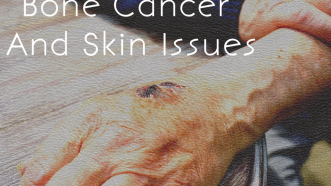
A lump growing under the skin could be a sign that you should never avoid. In this post I'm discussing bone cancer and common effects it has on skin.
.jpg)
HealthXL in collaboration with Northern Health hospital network in Melbourne and IBM has examined the aged care space.
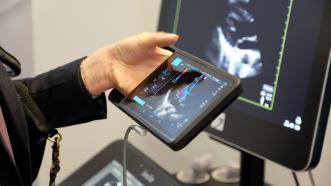
What good is an image, if not clinically useful?
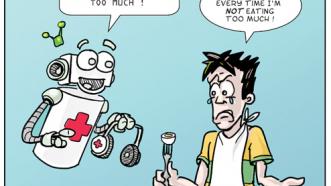


The world doesn’t need more gadgets, it needs better ways of thinking, of Design Thinking. Of working with the people it affects, and helping them to get what they can actually use, especially when it comes to healthcare and medical devices.
A short blog report from our HealthXL hackathon examining how we can better leverage technology to enable older adults to live more independently at home.
.jpg)
Health Insurance Companies have failed to generate any notable reach with their mHealth app porfolio's
“Currently HICs have rather unfocused and small app portfolio’s which do not in most cases seem to be backed up by a goal driven mHealth app strategy.”
With the proliferation of digital health tools, this post discusses how new tools can best serve patients in clinical management.
.jpg)

Our fifth Convergence will focus on the specific challenges facing personalized medicine integration.
David C. Robinson discusses some of the key terms every founder should know about traditional funding rounds.
The valuation issue at the end of the day is one of trust between founders and investors. On the surface, it appears that a maximized valuation is in the best interest of the founder, while an optimized valuation favors the investor.
.jpg)
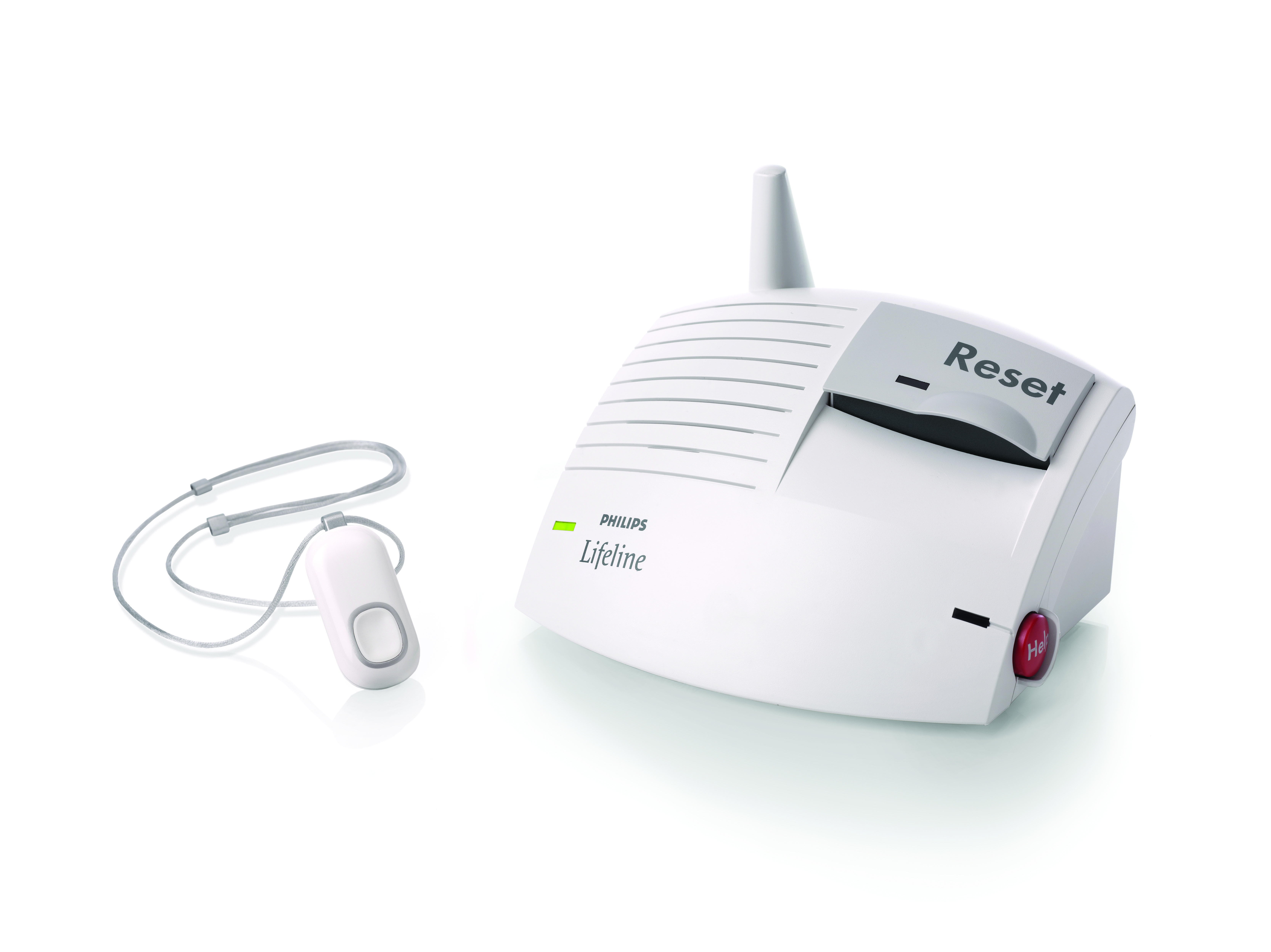
Smartphones are excellent ways to stay up to date about medical news, and they can even keep you safe since they are usually within reach.
Global mHealth Market (Device, Service, Application, Stakeholders and Geography) - Size, Industry Analysis, Trends, Opportunities, Growth and Forecast, 2014-20
David C. Robinson thinks we'll soon see that venture capital is in the process of creative destruction with new market entrants and new models of innovation at the precise moment that the industry itself is contracting.
.jpg)
Merck Manuals announces its new health literacy campaign, Global Medical Knowledge 2020.
.jpg)
Why Does MERS Get More Interest On Google Search Than Ebola Did, While Killing Far Less?
.jpg)

With some heavy lifting from the engineering and medical communities, wearables are becoming smaller and more specialized. These new wearables can do more than count steps. They deliver much needed medications and nutrients, like insulin or iodine, to those who need them.
Through HealthXL, Roche Diagnostics is to collaborate with innovative Connected Health companies globally
As a global Digital Health community, how can we better develop usable content and support our providers while focusing on the patient's perspective?
ACI, a Nigerian organization with the goal of seeing young Nigerians take leadership position in robotics and software development has stressed the need for Africa to embrace robotics to improve the quality of healthcare on the continent.
.jpg)
Doctor X, the Dark Web and 5 Data Graphics That Will Open Your Eyes
Overcoming an addiction is difficult, but these apps can help you break your habits from alcohol to gambling and everything in between.
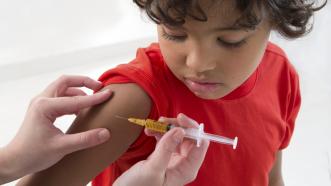
Thanks to an innovative checklist developed by German rheumatologists, the decision to immunize against potentially fatal viruses could be a little easier.
Significant growth is expected in the global mHealth market over the next five years due to lifestyle diseases. Read on to find out which countries might benefit most from mHealth innovation and why they aren’t likely to see it.

Technology is changing the way we think and talk about healthcare like never before. It's time we decided what success should look like.
.jpg)
Scanadu’s tagline contains a challenge: “We are the last generation to know so little about our health.” Scanadu is dedicated to changing that.

Many hospitals across Nigeria and across the continent are still paper-based. It is therefore not surprising that digital health entrepreneurs in the respective countries are developing tools aimed at digitizing health records.
.jpg)
Want to Start in Data Science? Here Are the Software Programs and Systems Experts Say They Use...
#DigitalHealth innovation must be simplistic, solutions driven, and patient-centered. This podcast interview with Kirk Pion, Vice President - UnitedHealth.
Why car manufacturers shouldn’t rule cognitive science out
.jpg)

A new study, published in The Medical Journal of Australia (MJA), found that over 60,000 people stopped taking their prescribed statins after a show was aired that criticized their popularity.
.jpg)
Is Social Media here to stay? How may areas such as health be affected by it? How much is my profile worth to social media companies and how many people use it anyway? These are a range of very interesting questions. We looked at several industry reports and statistics and cranked out a quiz for you to test your knowledge on social media statistics (or how good you are in guessing).
This post describes the Apple ResearchKit and how app developers and healthcare providers can use it for medical research or clinical trials

In an era ruled by convenience, two new models of urgent care are emerging: retail-based clinics and telehealth services. Which is better?
.jpg)
An expert has said that digital health startups in Africa have a major challenge in their value proposition – they are struggling to find ways to become profitable businesses.
News that US regulators are softening some of their EHR requirements is bringing mixed reviews from physicians and patients, who seem divided on the issue.

A significant discrepancy exists between patients' desire and their actual use of online communication tools to communicate with their physicians, according to a new study.
.jpg)

Through the use of SMS and prerecorded voice services, SaferMom hopes to make a big impact on maternal/child health in Nigeria.
.jpg)

The Diary Corporation, a new, multinational developer, seeks to bridge the data gap for patients.

The rise of mobile messaging apps offers a whole new way to share public health information. Damian Radcliffe explores how the BBC’s Global News division is tapping into this trend to support their coverage of emergencies.
.jpg)
"I wish there would be a tool to give me a full overview for the Wearable Tech Market" - If this is what you have been looking for, you might have come to the perfect spot. We built a comprehensive dashboard to give our readers more transparency on what is going on the wearable technology space.

In this week's edition of Nosta & Friends, John visits with his friend, Jack Young, Senior Director, Qualcomm Life Fund at Qualcomm Ventures, and General Partner, dRx Capital, fresh from the IPO of Fitbit, one of his fund's investments, which many insiders consider to be a seminal event in digital health.

CHLA has joined its global group of partners, bringing about a new focus on Connected Pediatric Care to these leading healthcare brands.
A Ghana-based digital health expert has told nuviun that the citizens of Ghana (Ghanaians) are enthusiastic about digital health and are ready to embrace it, even though the local digital health ecosystem is poorly developed and supported.
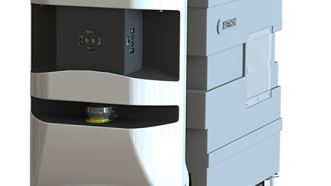
More hospitals are investing in robots to do the jobs once held almost exclusively by health care professionals like nurses, doctors, and others. But do we trust them?

The role of patients is changing as healthcare digitalizes. nuviun's Jenn Lonzer discusses 7 different meanings for the term "patient" in a changing healthcare landscape.
Ariana Eunjung Cha's recent roundup of digital health called, "The revolution will be digitized", points a searing finger at our growing addiction to track.

I think we can all learn from our own experiences and incorporate the lessons companies like Gore can teach us about the value of service-based leadership.
.jpg)
Although the Apple Watch is able to measure health responses – could there be a more sinister undertone to the business model?
As a health freak individual, you can leverage mobile technology and its key offerings. The trend of health and mobile apps is taking the health industry by a wave.

At the recent Cinderblocks2 conference, ePatient Dave DeBronkart told attendees that his doctor prescribed the Internet, where he was empowered by community and information.
C-section or vaginal birth? If you have the choice, what would it be? In recent years we have heard much about a considerable increase for c-sections by choice, rather due to medical advice. But is it possible to judge quickly what motivation drives women to more c-sections?

How many of us have surfed the web to self-diagnose before actually seeing a real doctor? Kaamran Hafeez pokes fun at this phenomenon in his witty caricature.
HealthXL together with Northern Health hospital network and IBM are hosting a hackathon style weekend in Melbourne 10-12th July. Here are some reasons to join.

A new online tool, hailed the most comprehensive and accurate to date, uses big data to predict resistance to drugs commonly used to treat tuberculosis.
Introduction to the applications of mind mapping in medicine.
.jpg)
Meditation is one of the best tools for mental wellness - how is tech helping us on our path to zen?
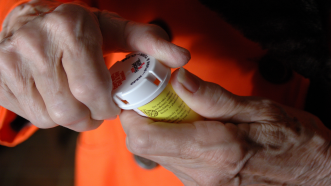
Digital health leaders are tackling the issue of medication adherence, which is a significant problem for people with rheumatoid arthritis, according to a new study from the University of Manchester.
Dokita is a social network in which people can interact with health professionals.
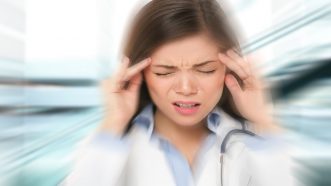
Physician burnout is on the rise as already overburdened doctors add EHR administration and health care reform research to their to-do list. Is there a cure?

A new study from the University of London's Birkbeck Babylab links enhanced visual perception in infants to the development of autism spectrum disorder symptoms later in life.

Data breaches are on the rise in healthcare organizations, but hackers aren’t after your health data, according to security experts at HIMSS15.
.jpg)
Much has been said about the value of patient data within the healthcare system. That data is largely generated by providers and healthcare machines. Surprisingly, little attention has rested on the value of patient data generated by the patient, especially in regards to first responder and ER doctor specific use.

A passionate group of patient advocates, artists, and industry thought leaders gathered last week in Grantsville, Maryland for Regina Holliday's Cinderblocks2 conference.
At first, the Jawbone Up and Fitbit trackers were the hottest devices on the market, but competitors have created increasingly diverse offerings. Much like buying a car, you need to choose the tracker make and model that best suits your lifestyle.
.jpg)
Journalists and academics are pumping out publications at breakneck speed - how much impact do these articles really have?


The ICD-10 deadline looms in the U.S., but only 28 percent of health providers have performed revenue testing.
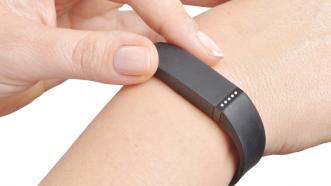
A new UK study shows a 63 percent rise in the use of health-related apps on the 4G network of one mobile provider since August 2014. So what’s driving this increase? And how can digital health players harness this potential? Damian Radcliffe investigates.
Some doctors and patients who participated in the recent US study on Electronic Health Records known as Open Notes are speaking out about EHRs. The survey says....

Genome sequencing and data analytics uncovers key, multi-drug resistant strain in growing Typhoid epidemic
Although the risk of fatality from epilepsy is relatively low, sudden death is 20x more likely if you have epilepsy—and 42 percent of these deaths are avoidable. Yet, physicians often struggle to decide when and how to discuss this risk with epileptic patients. In a recent study conducted by researchers from Plymouth University, physicians implemented a patient-centered checklist intervention in an attempt to encourage patient education around the risk of sudden death.
Data mining and data analytics has been of immense importance to many different fields as we witness the evolution of data sciences over recent years.

According to the MIT Technology Review, Apple plans to launch apps that give iPhone users the chance to test their DNA, leaving some spitting happy.

Jenn Lonzer and Anthony Stedillie, CEO of CompassMD, discuss the science (part psychology and part data) of bad patients
We all heard that Google is pushing the boundaries for self driving cars. Originating from a startup, the field is increasing in heat.

A growing number of Silicon Valley executives trapped in the sandwich generation are leaving the rat race to develop elder-care apps for their own parents.
Kenya is set to host the first ever eHealth conference in East Africa later this month in Naivasha from June 22-26.
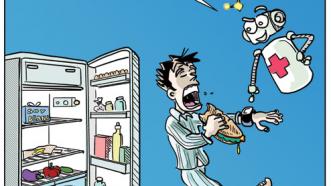
Some apps, combined with an Internet filled with health information, might give patients the illusion that they can manage their own medical care. But how do we, as patients, decide which app is best for us? Are these apps and other health supports—which may or may not accurately provide diagnoses—even vetted by physicians?
.jpg)
While defending ourselves against terrorism we may be missing the biggest threat - microbial outbreak. Bill Gates gave a TED talk in Spring 2015 on how we should prepare for danger.
.jpg)
Bill Gates made a call to action to get ready for the next epidemic - what are the top startups helping to deal with infectious disease?
How can hospitals and providers bring down error rates? Here are three technologies that can help—and also add important data for use in other analyses.

A group of US-based non-profits and mHealth companies, led by Health eVillages, have joined the Real Medicine Foundation to provide relief to survivors in Nepal.

Identifying memory difficulties and cognitive issues—although it can be a frightening prospect—is the first step toward treatment.
An Ernst & Young study commissioned by the Canada Health Infoway found that remote patient care benefits patients and the publicly-funded healthcare system.

A simple fingerprint is all that’s needed to detect cocaine use, according to new research by a group of scientists from the University of Surrey Ion Beam Center and the Biomedical Research Center at Sheffield Hallam University. nuviun dug further, investigating what further implications this new tech may have for healthcare.

It’s clear there’s a market for smart, connected, more functional and discreet breast pumps that can deliver real-time data for breastfeeding moms. How fast they come to market is another question altogether.
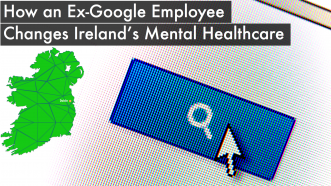
Ireland is beautiful, no doubt. But the mental health situation doesn't belong to its beauties. One man is on a mission: an immigrant and ex-google employee, who might have started to change an entire health system.
Health care facilities should protect themselves against security vulnerabilities found in two computerized drug infusion pumps manufactured by Hospira.
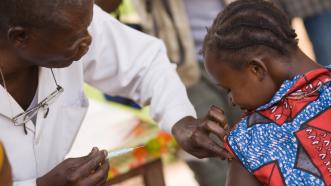
Only months after many thought vaccines had rid Africa from meningitis, a new strain emerges, closing schools, and killing hundreds in Niger. There are seeds of hope, however, in innovations like the test from the Central India Institute of Medical Sciences.
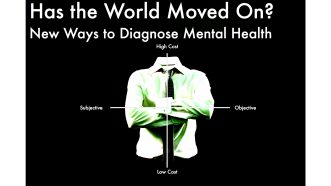
How a new computer assisted diagnostic approach could change how doctors diagnose mental health disorders.

Fempreneur Gabrielle Guthrie recently mused on the differences between women’s and men’s health, wondering if digital health will bridge the gap. So will it?

Nurses in NHS hospitals using Nugensis Health’s digital careflow solutions report having time for tea breaks. In the UK, this extra time with patients and the ability to take breaks couldn’t come at a better time.
Digital Health seems to have exploded on take-off, but is imploding on landing. We have the technical capabilities to support healthcare without borders, expert patients, and digitization from head to toe... Why aren’t we there yet?
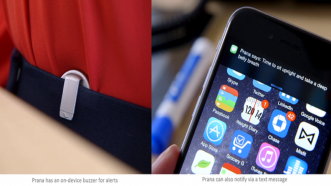
In contrast to many wearables which encourage us to be more active, Prana’s aim is to try and help wearers slow down and achieve an optimum mental and physiological state.

.jpg)
How big is big data? How we could run out of data storage capacity and how digital DNA storage might provide an answer.
What’s holding digital health back, when its future appears so bright? In this first of two articles, Lorena Macnaughtan starts from the very beginning, taking a look at the roots of the digital health movement.
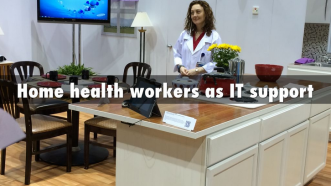
In the world of connected devices—or the Internet of Things (IoT)—patients are able to maintain their independent lifestyles despite serious illnesses. While at HIMSS15, I had the opportunity to tour the iHome (also known as the Intelligent Medical Home). The 1,800 square-foot iHome housed a middle-aged man with congestive heart failure and his mother recovering from a broken hip (among other health issues)—both of whom required assistance in their homes—and their live-in home healthcare aide.
A new big data study finds a skyrocketing cancer burden in Mexico, with most growth coming from the growing aging population. mHealth can help bridge access to care gaps and improve quality of life for patients, but not until digital devices and Internet access are less expensive, and designed specifically for seniors.

In an exclusive interview with nuviun, Ikpeme Neto, founder of Nigeria-based Wella Health, provides his perspectives on the opportunities for digital health in Africa.
A US man was falsely suspected of murder after an online genealogy registry violated its own privacy policy to hand over DNA samples of his relatives to police.
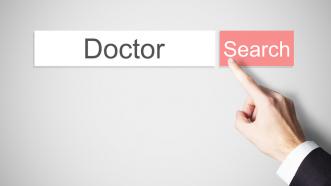
BetterDoctor, a Silicon Valley start-up, wants to ease the pain for patients seeking the right physician through a searchable website and mobile app.
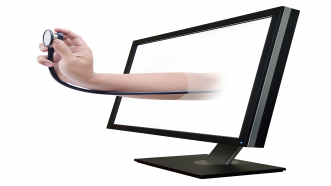
Digital health definitely isn't a fad. The number of consumers using home health technologies is expected to skyrocket over the next four years.
New study finds that peer-nominated influencers are more effective at bringing about health behavior change than people with the most social contacts.
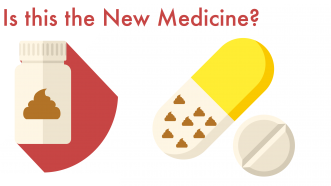
You have approximately the same weight of gut microbes as brain. For every 1 human cell in your body there are 10 microbes.

In an interview with Patricia Slusser, RN, we discussed the differences between the RN’s role in a traditional, face-to-face doctor’s appointment and what her day is like as a caregiver and digital telehealth facilitator.
Futuristic hospital rooms hint at being patient-centric, integrated, sensor-based organisms with all the right stuff, from monitoring to calming lighting.

A new study found that online information seeking could lead to cyberchondria rather than to useful information for consumers.
.jpg)
Real time air pollutant maps could tell you what your air is like on your street. Here are three ways air monitoring could help us.
Precision medicine heralds a new age in healthcare. A time when we move away from standardized treatments to personalized regimens, based in large part on DNA. But now along comes a new idea that may further personalize healthcare – DNA-based personality tests.
In a world where relationships are sustained over the years, across thousands of miles, through free social media sites like Twitter, Facebook, and Instagram, it is a bit hard to believe that access to our electronic medical records (EMR) is so limited to the hospitals or clinics where we receive care.

A new study demonstrates the use of 3D cancer cultures called organoids in personalized drug screening.

If the end game of digital health is to leverage tech and create better, more affordable care, could solar-powered lithium-ion batteries be the tipping point?

New relaxation techniques that use virtual reality (VR) may become a helpful tool in the fight against generalized anxiety disorder (GAD).
A short overview of the major digital health events this year to date, plus our experience at Digital Health Live 2015
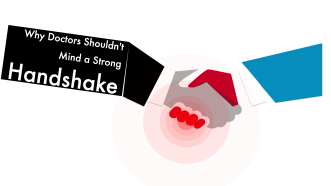
Did you ever consider whether a strong hand shake could be useful for more than intimidating the person you shake hands with? Turns out, hand grip strength may be a better predictor of cardiovascular and noncardiovascular death than current methods that measure systolic blood pressure.

89% of UK patients get appointments within 90 days of referral to mental health services. What if there were a less expensive way to reach more patients in less time? Is telehealth psychology's best-kept secret?
Since 2001, the World Economic Forum (WEF) has published a detailed annual study which assesses how economies around the world are harnessing ICT to promote economic growth and well-being.

Telesurgery via robots is the answer to many people’s prayers, doctors and patients included. However, a new study shows they can be toyed with from afar.

The first-ever Women in MedTech event launched last week in Waltham, MA as 125 women gathered for a MassMEDIC-sponsored forum titled "Disruptive Technologies"
.jpg)
Coffee had a bad reputation among health geeks for a long time. Now it's time to look at some evidence, and redraw the picture.

New research from the UK takes personalized medicine to the next level: combining immunotherapy with more traditional treatments and treating colorectal cancer on a genetic level.
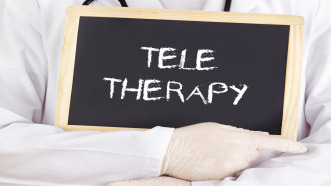
A telepsychiatry start-up called 1DocWay is helping mental health patients in rural areas access treatment while helping hospitals tap into a new market.
Sometimes humans get so efficient that it’s pointless. Cue, nuclear war. Could artificial intelligence (AI) be the next example?
Payers, patients and providers will all see many benefits from widespread use of big data and machine learning across the entire healthcare ecosystem.
.jpg)
Word that the new Apple Watch heart rate monitor malfunctions on people with wrist tattoos has irked consumers fond of ink on skin.
With the increasing availability of accessible healthcare technology, do the current healthcare delivery models stand to be disrupted?

Healthcare professionals in Africa identify simple healthcare processes they believe would very difficult for any form of technology to replace.
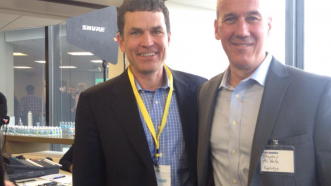
Through HealthXL, IBM's SoftLayer Plans to Unlock the Potential of the Health IT Market
It seems that most of us are so busy working at sedentary jobs and caring for family members that exercise isn’t a priority. Or perhaps we feel the need to be entertained and traditional exercise is, well, boring. As part of the HX360 meeting for start-ups at HIMSS15, leaders from several gaming companies met to discuss ways in which they can make exercise more exciting.
Digital Health Live 2015 - letting you immerse yourself in the future of healthcare through digital health.

Through HealthXL, Apollo Hospitals, Asia’s foremost healthcare services group, aims to collaborate with American and European clinical providers to further pos
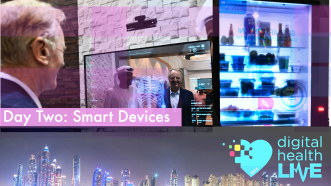
Day two of the Digital Health Live Conference in Dubai has been packed with health innovation and smart applications. We included a snapshot of the some of the most important smart innovations below.
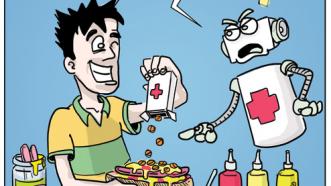
In this edition of Nosta & Friends, John Nosta welcomes Christian Assad, MD—who is a champion of using VR as a game-changer in medicine.
Interview with Dr. Shafi Ahmed about how to give the majority access to safe surgeries.
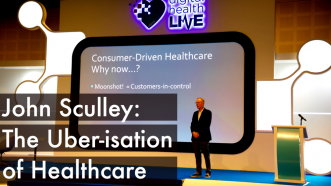
John Sculley, ex-CEO of Apple and Pepsi, and also health technology investor, gave his view on healthcare inequality and how smartphones could maybe build more equality and healthcare access in developing countries. We interviewed him at the Digital Health Live conference in Dubai today, where he spoke about the future of healthcare.
An interview with Dr Daniel Kraft about stage zero diagnosis
This is the last of a series of two articles, based on interviews with Regina Holliday, on patient access to health information. Patient access to their health information was a hot topic at HIMSS15 and an issue that will continue to evolve along with health IT.
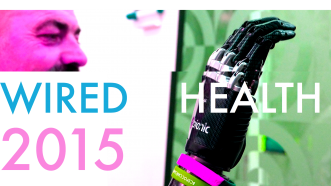
Five interviews with innovators at WIRED Health 2015: nuviun investigated why they do what they do and how technology is involved.
As the HIMSS15 dust settles in Chicago, the thoughts of attendees like myself who may have been overwhelmed by the sheer size and utter busy-ness of the conference are beginning to settle into some interesting thoughts about the business of health care, the roles of mHealth, patient portals, and data ownership. This is the first in a series of two articles about open access to data.

What does the under-use of patient portal technology signal about the patient-provider relationship?
There’s a new single treatment for almost all chronic diseases. It’s free. It’s proven to be as effective, if not more effective, than mainstream drugs for multiple major killers. The treatment? Walking.
Just like other aspects of healthcare, the high mobile penetration rate in Nigeria has presented another opportunity for stakeholders in the health insurance sub-sector to achieve NHIS’ goal of health insurance coverage for every Nigerian.

Healthcare providers are no longer keepers of the data; here’s what that loss of control means and what to do about it.
.jpg)
How could tech help combat mental health problems?
Imagine having all of your private health information hacked into by cyber terrorists. With EHR and Health IT rising, cyber health hacking is a very real threat.
The race to fill this information gap in Nepal is on. The 7.8-magnitude quake has killed more than 5,000 people already and disaster relief efforts are kicking into action to prevent further deaths.

A U.S. patient safety think tank, the ECRI Institute, has released its 2015 Top 10 Patient Safety Concerns for Healthcare Organizations, and data integrity makes the list.
In 2015, FrontlineSMS celebrates its tenth birthday. Damian Radcliffe spoke to Sean Martin McDonald, the CEO of FrontlineSMS, about their first decade.

Should we defend the status quo in the face of the demographic tsunami of aging Baby Boomers, the unsustainable stratospheric costs of cancer care, and the challenges and dissatisfaction of our cancer patients and colleagues when we simply want the best for all involved?

In today's business environment, the ability to effectively connect What-You-Know to Who-You-Know, the buyers in your market, have become the keys to business development success—and new strategies are needed to get it right.
.jpg)
Much has been written over the past few months about Apple ResearchKit and its potential to completely revolutionize R&D; in the life sciences industry. The idea is simple. And it got me thinking; is the iPhone the most powerful clinical research tool ever invented?
Philips and Mount Sinai Health System in New York are working on a new digital pathology database tool that advances clinical research for diseases like cancer.
Just as the consumerization of healthcare is upon us, perhaps the consumerization of predictive modeling could grow to meet the demands of the public for their own good.
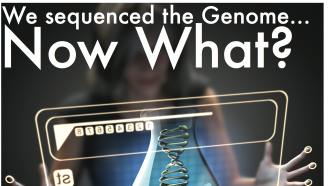
Why medical research still seems to be miles away from using genomics for large-scale breakthroughs, and why open source might be a solution to accelerate things.
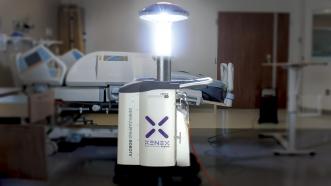
Star Wars-style robots that can clean better than your mother, and stop super bugs in their tracks, are cleaning up in hospitals across North America.
HealthXL and its partners launch research collaboration to revolutionize the management of self injectable medication at home.

In our “Digital Health in Action” series, we focus on specific examples from each sector to show what an impact digital health is making on healthcare across the world. Here, we look at the use of telemedicine in chronic disease management.
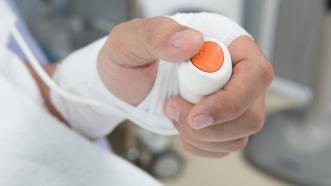
With 43,129 attendees – from physicians to social media managers – all of them passionate about health IT, the energy (in terabytes) was palpable at last week’s annual Health Information and Management Systems Society (HIMSS) conference.

Watson Health is developing a cloud-based database of anonymous health data to benefit researchers and fuel precision medicine.

No venture can grow without talent, and the two basic types of talent needed—strong employers and strong employees—must evolve together.
Cognizant of their critical influence in healthcare, nurses are taking a more active role in health IT leadership and implementations around the world.
Scientific evidence supports the use of active video games to promote a range of health and health education-related outcomes in children. Even sedentary games produce tangible outcomes in asthma- and diabetes-related behavioral changes in children.
In her profile of Digital Health Philosopher John Nosta, Gisele Waters, PhD, describes a nootropic prescription for the entropy, silence, ruts, and obscurity in digital health and medicine.
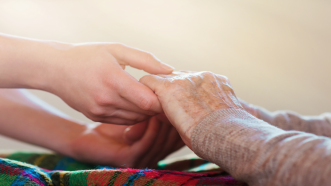
Sensassure, an early stage start-up that helps caregivers know when seniors need incontinence care, could be a geriatric gamechanger and a real money saver.
Predictive modeling and clinical analytics will eventually rule the healthcare roost—and we must ensure that a framework for safe and ethical use is created as it inevitably does.
A new study, published today in Current Biology, digs into the competitive nature of online fundraising—and the link between visual effects and the wallet.

Researchers from UNSW in Australia are using previously top-secret semiconductor technology to zoom in on aging joints at a cellular level.
Mobile technologies appear to be critical to the healthcare industry’s shift to patient-centered, value-based care, according to the 2015 HIMSS Mobile Technology Survey. Released yesterday at the HIMSS Annual Conference and Exhibition in Chicago, the online survey finds that 90% of the 238 health IT decision makers claim their organizations use mobile technology to engage patients.
More than 800,000 people die from suicide attempts each year, according to the WHO. Will a new social network and app for depression help save lives?
There’s no place like HIMSS – no other place where the business of healthcare seems so… business-y.
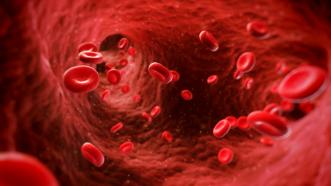
Traditional medicine is often based on trial and error in patient care. We know from decades of experience that any given drug will work miracles in some patients and poorly or not at all in others. Variances in the disease also affect drug efficacy. For example, certain cancer tumors respond well to chemotherapy, while others build up a resistance over time. What we haven’t known is how to predict drug outcomes in advance of putting the patient through the regimen. But thanks to new developments, including and most especially big data analytics, that’s about to change.

Given the speed and relative ease with which information flows these days, you’d think that physicians would be able to talk to each other about a patient without much ado. There are many roadblocks on the health information highway, however, according to a report to Congress released Friday by The Office of the National Coordinator for Health Information Technology (ONC).
Patient engagement is top-of-mind among health information technology leaders, according to the 26th Annual HIMSS Leadership Survey, released today at the HIMSS Annual Conference and Exhibition in Chicago.
Boston Scientific has finally won FDA approval for its Watchman implantable that helps reduce strokes in patients with non-valvular atrial fibrillation.
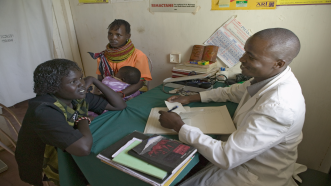
Even though much progress is needed, there's still a lot of activity currently around telemedicine efforts in Africa.

Digital health philosopher and nuviun strategic advisor John Nosta teams up with nuviun’s Senior Content Editor and 30-year nurse Sue Montgomery to provide their unique perspectives on healthcare’s two-party system.

The Pew Research Center's new report provides some key insights into the use of technology across the globe for those involved in digital health.

Being a doctor with a passion for technology hasn't been easy in recent years with all the talk of computers replacing us. But is the threat real?
The first signs of spring signaled the start of AIR Louisville, a collaborative big-data project that uses digital health technology to track and improve asthma symptoms over time.
In this edition of Nosta & Friends, I welcome my friend Martino Chiaviello, a creative thinker and brand-builder in the life science arena. Tino is a well-respected creative director and self-proclaimed technology geek. He’s my kinda guy!

Black or white is a luxury, and gray is increasingly the color of the day when it comes to our rapid advances in medicine and healthcare.
China faces a challenge of service delivery, and one way to address this is technology. With 1.2 bn mobiles for 1.4 bn people potential for mHealth is huge.
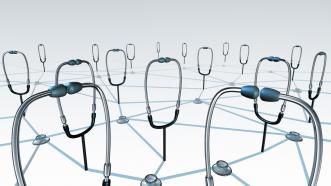
Researchers are using big data tools to find new treatments, cures, and diagnostic tests every day. But sometimes their efforts are foiled, or at least made more complicated, by privacy rules and concerns.
.jpg)
The Menopod is a discreet, digital cooling device that helps women put the kibosh on hot flashes. The device puts relief in the palm of their hands. Hallelujah!

Everyday Health acquires Cambridge BioMarketing Group, perhaps a sign of the M&A; that lies ahead in digital health.

Do you know what “kids are doing these days”? Do you monitor YouTube and Facebook and Twitter? Well, if you’ve got a tween or teen, in particular, you should.

Samsung Gear VR shines a light in the depths of Western Australian mines, bringing a father together with his family for the world’s first live-streamed birth that he would have otherwise missed.
Vendor-neutral hubs have achieved a certain level of interoperability between multiple healthcare entities with simplicity and reduced cost.
After rejecting a bill that would have allowed telemedicine companies to set up shop in Arkansas, state legislators passed another bill to allow it. Sort of.
University of Warwick big data study isolates differences between autistic and non-autistic brains.

As Digital Health evolves, there will be more data that can be collected about you and your health—and the collective value of that data is of increasing interest—not just to medical researchers, but to anyone with an interest in health.
French scientists have turned to digital health for a possible solution to the spread of antibiotic-resistant staph infections in hospitals and elsewhere.

For a tiny little bug, the mosquito is attracting a great deal of attention from scientists around the world. For many in the developed world, the insect is known as a persistent and pesky nuisance. But for those living in more tropical climates, the mosquito is a carrier, or vector, of some of the world’s deadliest diseases.
A list of the world’s top 27 digital infant and female health tech startups for 2015.
One of the biggest challenges we have today in digital health is the absence of scientific proof that products do what they claim to do. There is an amazing abundance of discovery, invention, and marketing, but an entirely unsatisfying amount of evidence—the data that would prove the claims are fact-based.

Studies indicate that stress management training has a long-term positive effect on health. Despite this, many of us feel we don't have time for – or can't afford – traditional psychotherapy. With digital health, however, stress relief is but a *free* app away.

In global mental health, innovation could mean the difference between life and death.

Most conversations around big data in healthcare center on improving patient care or sharpening the business. We’ve also discussed, in this blog at least, how to use big data to spur innovation and adapt to disruption. But there’s another key use that rarely comes up: predicting future health crises.
In Digital Health everything changes. Entrepreneurs have to navigate the well-known and the unknown to bring their ideas to life.

Vantage mHealthcare, a New York-based health sensor development company, is developing a hand-held sensor capable of detecting lung cancer through breath analysis in order to facilitate earlier, more convenient, and cost-effective screenings for lung cancer.
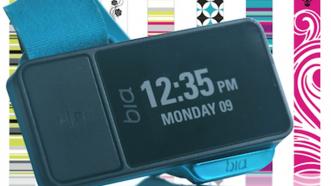
At a time when the wearable market seems to be exploding, it’s hard to imagine that a top selling fitness wearable could actually go under. Yet it has. But why?
Momentum for the patient empowerment movement continues to grow, and will escalate as baby boomers and their higher expectations transition into the senior years.

Hospital ratings on social media correlate with traditionally accepted measures of hospital quality, such as 30-day readmission rates, according to a recent study conducted at Massachusetts General Hospital (MGH).

In this edition of Nosta & Friends, John visits with his friend, Dr. Dave Albert—Chief Medical officer of AliveCor, and the innovator behind its groundbreaking and potentially life-saving technology.
A Story for the Masses: Precision Medicine (& Genetic Sequencing) and Why Knowledge is Power.
Optogenetics update: A tiny implantable the size of two stacked coins could restore sight or provide a heads-up display for Terminator-style vision
Innovators are frequently in such a hurry to get their product to market that important implementation planning steps receive only cursory attention. Believe it or not, there’s a science for that.
.jpg)
Through an online engagement project, �?My Condition, My DNA’, Genetic Alliance UK sought the views of patients affected by rare and genetic conditions, both diagnosed and undiagnosed, on genome sequencing.
With so many reports highlighting the increasing investment in Digital Health, it stands to reason to ask whether investors are making the right choices.

Deductibles have grown so high in the U.S. that many patients can now no longer afford medical care despite having health insurance. Rising insurance deductibles not only present a huge obstacle to patients, but to healthcare providers too. Big data can help solve this dilemma.
Facebook now offers enhanced support and online resources for users who may be having suicidal thoughts – and options for their friends who care. Concerned friends are able to flag posts that are suggestive of suicide.

New DNA dating sites take the mystery out of finding your perfect match. But do they work? I guess it depends on your definition of "perfect."

A new study from Weill Cornell in Qatar has provided the region’s first assessment of the quality of information available on health websites in the Gulf region.

Digital drug developer Chrono Therapeutics received funding from Rock Health, earlier this month, to support the further development of its smoking cessation product, SmartStop™.
With the advent of smartphones and good Internet connectivity, a lot is changing about how medical students study medicine in Nigeria.
Mobile health is changing the face of healthcare around the world, and the apps that align with this movement are multiplying exponentially. But with such explosive growth comes inherent risks, which is why there are a few things you should consider before you download your next health app.
In this edition of Nosta & Friends, John Nosta welcomes his friend, Chanel Fischetti, a fourth year medical student at the University of California Irvine. With her binary brilliance, practical mindset, and compassionate approach to medicine, Chanel represents tomorrow’s physician—a “digital native” who might represent a fundamental driver in the adoption of digital health in medicine.
A new case of dementia is diagnosed every 4 seconds, according to the World Health Organization (WHO), which held its first Ministerial Conference on Global Action Against Dementia in Geneva this week.

In the final installment of this four-part series, David Robinson wraps up his team's experiences in India—with a core philosophical look to the future.
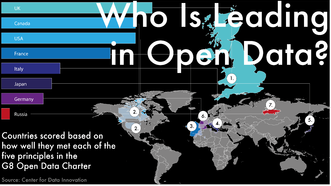
This week the Center for Open Data Innovation launched a new report ranking each G8 country to their commitment to transparency and open data. nuviun reported on the findings and investigated what this means for healthcare.
Pay-for-performance incentives in healthcare do not reduce premature mortality rates, according to a study published in the British Medical Journal.
With the introduction of cloud technologies, health organizations may find it challenging to understand the scope of their responsibility across the enterprise and beyond. Here, Dr. Bill Crounse, Microsoft's Senior Director, Worldwide Health discusses the privacy and security-focused questions health organizations should ask when considering the cloud.
In the third installment of this four-part series, David Robinson shares his team's experiences in exploring the role of educational settings as part of the innovation paradigm.
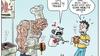

Routine searches of Twitter for health information can help physicians stay abreast with the types of conversations their patients are having outside the exam room, according to researchers from the University of British Columbia (UBC).
The proliferation in smartphones and mobile devices is unlocking a new era in telemedicine and telecare. Damian Radcliffe explores how one proponent of this evolution is unlocking these benefits in the Middle East.

In the second installment of this four-part series, David Robinson shares his team's experiences in initial partner meetings with Indian companies, clinical sites, and collaborators.

There are many entities tracking and analyzing online and mobile app queries about health conditions—and that information can be mined by third parties for purposes that are not usually in the patient’s best interest.

The biggest risk to EMR implementation projects is usually one that doesn’t receive much attention – user adoption.

You’d have to be an ostrich, with your head buried in the proverbial sand for the last five years or so, to be unaware of the fact that most institutions and businesses have social media policies. Or, perhaps the problem is that our social media policies feel so strict that we want to bury our heads in the sand and avoid social media altogether.

In this 4-part series, David Robinson describes the journey that he and his team are taking within India to more fully understand the needs of the communities they are innovating for.

Research shows that kids who spend a bit of time playing video games each week are better adjusted and have fewer behavior problems than those do not play video games at all. However, moderation and balance with physical and social activity are very important, as the positive effects are not present in children who play video games 1-3 hours per day.
HealthXL, the global clearing house for innovation in healthcare, brought together over 90 global healthcare leaders for the HealthXL Global Gathering

Recently, the Center for Technology Innovation at The Brookings Institution hosted a session that examined mHealth applications in Africa—including innovations in Nigeria, Liberia and Sierra Leone—with a focus on Ebola control, and maternal/child health.
.jpg)
NHS Apps Library Moves Forward With More Mobile Health Applications. A new player is online now called Activ8rlives and now available on the NHS Choices Apps Library.

nuviun's Senior Content Editor provides a quick trip around the Digital Health Landscape in this weekly wrap-up with her Digital Health Rounds.

Just as Uber is at war with the taxi industry, retailers may soon be at war with the large, publicly-traded health care chains.

These sample medical management apps for seniors can make life safer, give caregivers more options for better care and ease the minds of relatives.

A Shark Tank-style competition in Toronto in May will see health care start-ups vying for $20K from wealthy venture capitalists at HealthKick 2015.

Advances in micro-gas sensors and electronic technologies have allowed for the development of convenient, real-time, cost-effective methods of assessing gastrointestinal health that are comprehensive and accurate.
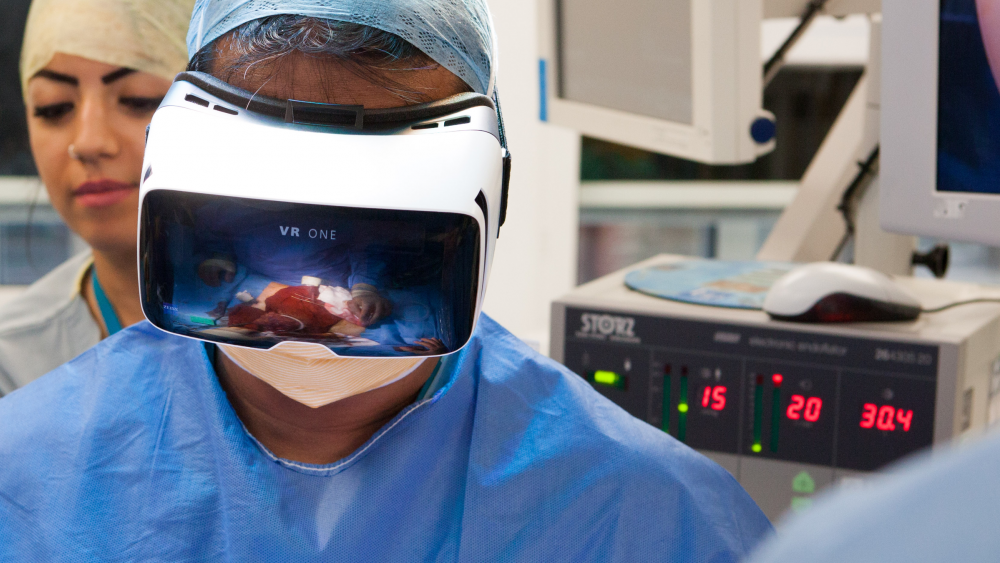
With the emergence of virtual reality, a new era might have started for medical education.

Scientists in Mexico have discovered a skin test that may shed new light on Alzheimer's and Parkinson's diseases, according to a study released recently.

The expanding landscape of digital health accelerators will require an expanding landscape of administrators and leaders to help—hand in hand—drive this movement forward.

Canada is a lot more connected when it comes to digital health than I first realized. Adoption rates are skyrocketing in some areas, including the far North.
Consistency in the quality of care provided by healthcare professionals is a hot topic right now, and major healthcare insurers and providers in the US are adopting pay-for-performance models. A new study conducted by researchers at Duke University’s Sanford School of Public Policy recommends the adoption of incentive or pay-for-performance models in rural India to help enforce quality standards in the treatment of childhood illness.
Africa is not dealing with a shortage of mhealth solutions. Instead, the issue is getting targeted users to know about the available solutions and how they work.

Every two years the United Nations publishes an extensive study into the global state of e-Government. Damian Radcliffe looks at what the current survey tells us about ehealth.

The search is on for the perfect balance between the new and the old, the needs of now and the promises of the future—and between line items on provider costs and investment budgets.

BONESUPPORT, a Scandinavian medical technology company, announced recently that it received regulatory approval from the Central Drugs Standards Control Organization (CDSCO) and their Medical Device Approval Committee (MDAC) to market CERAMENT and CERAMENT BONE VOID FILLER to manage osteomyelitis in India.

Late last month, leaders from the World Health Organization (WHO) celebrated the 10th anniversary of its Tobacco Control Treaty. As the first intergovernmental treaty established to increase tobacco control globally, the treaty sought to significantly decrease the global health burden of tobacco.

Everyone seems to have trouble engaging clinicians when it comes to IT. Maybe it's all just a simple misunderstanding.
Until North America has the right technology with the right regulations in place, digital health drones may not be cleared for takeoff just yet.
nuviun's Senior Content Editor provides a quick trip around the Digital Health Landscape in this weekly wrap-up with her Digital Health Rounds.

While we don’t truly know what the future holds, we all know that health is personal—and will need to be handled accordingly to optimize the progress that is possible with digital health.
Researchers at the Defense Advanced Research Projects Agency have moved one step closer towards building a prosthetic hand that can actually feel.
A collaboration between Breathometer, Inc., a developer of breath analysis technology, and Uber, a mobile app connecting professional drivers to those who need rides, hopes to enable more informed decision making.
Digital health philosopher John Nosta discusses 10 inevitable changes in pharma in 2015 with Michael DePalma, President at M3 Health and Richie Etwaru, Chief Digital Officer at Cegedim.

To live up to the vision of creating the Instrumented Patient, wearable technologies must embrace the challenges of Big Data to meet the challenge of doing more than recording the past.
GSMA's mHealth initiative is a vast effort that seeks to leverage on mHealth's capabilities to improve healthcare in Africa with some successes and a few setbacks.
.jpg)
Many visualization projects use colour schemes to help viewers visually understand and distinguish complex data sets and information. But have you ever thought about the fact that people who are visually impaired have trouble viewing them? How could you read and appreciate a map that is not readable? Possibly as much as trying to read a map in a language you don’t speak. Now there is an app to help people with colour blindness and other visual impairments to better read the London Tube map called Colourblind Tube Map.
8K Television may be a key tool in the operating theatre of the future. Damian Radcliffe gives this nascent technology a thorough examination.
In this second installment of our series, Donna Fedor, Managing Director for Digital Health at Mavericks Capital, discusses the lingering confusion around HIEs with three industry-leading healthcare data and information experts.

University of Cambridge and Microsoft Research are using computer models of blood development to speed the search for new leukemia drugs.

It’s easy for big data enthusiasts to embrace the dream that data analysis will be the cure for everything in healthcare. But the reality is that data, no matter how big or small, is only part of the healthcare revolution story.
Is harming someone by hacking into their Internet-based wearable or implantable even possible? Absolutely, says Mark Goodman, a former FBI futurist.
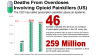
New data was published on opioid dependence and opioid-related deaths by the Centers for Disease Control and Prevention’s (CDC) and National Center for Health Statistics (NCHS). nuviun looked at the problems of opioid dependence and also at solutions that might help to support change.
A new smartphone accessory developed at Columbia University is fast, accurate, affordable, and doesn't require a power source.
While it is tempting to believe that the experiences of other industries can be replicated in healthcare, it’s also important to ask if the key gatekeepers of health, the doctors, are really ready to harness digital health technology in its myriad forms.
In this first of our series, Donna Fedor, Managing Director for Digital Health at Mavericks Capital, interviews three industry-leading healthcare data and information experts and provides some basics and history about Health Information Exchanges (HIEs).
nuviun's Senior Content Editor provides a quick trip around the Digital Health Landscape in this weekly wrap-up with her Digital Health Rounds.

Through the use of big data, the New York Blood Center hopes to attract the specific donors they need.
Research and development in universities generate a majority of the evidence-based global health innovations that are introduced in the developing world.

The digital health space continues to evolve rapidly. nuviun contributor Damian Radcliffe dives into his archives to find this piece from 2014. How much has changed since then?
.jpg)
Breaking up is always hard, and digital breakups have just proved to be the hardest.

Today’s world of innovation is a social construct. Control has been replaced by connectivity. And it’s this tremendous and profound resource that is changing business and innovation around the world.
A study from the University of Pennsylvania finds that smartphone step trackers are at least as accurate, and relatively free, as most wearable devices.
A new mobile project that aims to analyse our breath for signs of disease.
7,643 patient outcome study conducted by researchers from Harvard University Medical School and published at The American Journal of Medicine.
The use of data visualization is helping to portray the great variance in healthcare costs within the U.S. and in comparison to other countries.
Disruptive innovation is an honorable goal for any product or business, but as pop culture gospel, it’s been misused, over-hyped and definitely over-rated.
Venture capital investor Lisa Suennen says that after a noticeably long pause, mental health innovation is finally back— with a number of companies making the improvement of mental health and substance abuse treatment their primary focus.
.jpg)
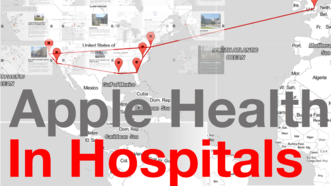
A comprehensive review of the piloting hospitals that have been confirmed by Reuters.
Epidemiologists question the ethics of using social media and big data in public health
Not yet anyway. So...what's it going to take?
As Cox Communications and the Cleveland Clinic cement their ground-breaking deal to provide in-home remote patient monitoring, one of the fastest growing sectors of the digital health market takes a big step forward.

There is a data storage medium that will last and will be readable far into the future: DNA. And, storing patient data in living cells on the patient’s body is the ultimate way to keep important information with the patient.
WHO encourages innovation for safer infections

Annihilating zombies and staying active: Research validates the use of gaming to measure upper extremity movement in young muscular dystrophy patients

Paramedics in Chicago will soon become the first EMS professionals in the US to transmit live video and audio to doctors from accident scenes via Google Glass.
This episode features a series of audio interviews regarding the difficult topic of sexual health, and available solutions to support it. We interviewed London-based Health 2.0 tech entrepreneur and sexual health senior consultant Dr. Anatole Menon-Johansson—who told nuviun why he got started in the field, and what challenges and possible solutions he has worked on to transform healthcare.
nuviun's Senior Content Editor provides a quick trip around the Digital Health Landscape in this weekly wrap-up with her Digital Health Rounds.

International acquisitions in the digital health and wearable spaces lead to the development of what could be the world’s largest connected fitness community.

Unlike other countries in Africa, South Africa's healthcare system is digital-ready and these 3 tech solutions are reaching millions of patients monthly
.jpg)
Drone ambulances on both sides of the Atlantic could speed up treatment for victims of motor vehicle accidents, potentially saving millions of lives worldwide.
NGOs have been criticized for focusing on technology, but collaborations across industries can lead to innovative solutions for global health issues.
In this week's edition of Nosta & Friends, John Nosta welcomes digital health thought-leader Dr. Eric Topol—for a discussion about predictive data and how it’s changing the way we understand and treat many conditions.

US military negotiating with University of Nevada surgeons to 3D print the bones and limbs of injured soldiers.

Big data holds big promise, but taming it enough to make it useful will be a challenge.

Now that the UK has taken steps toward allowing three-person babies, we wonder “Could the same thing happen in the US?” The answer may surprise you.

With a focus on innovation, transparency and citizen empowerment, The Indigo Trust also supports development outcomes in health, education and other arenas.
Global health affects us all: when funding is scarce due to difficult economic times, the value of foreign aid and global health spending gains importance.

CarVi, an interior camera and smartphone app updates older vehicles' safety features—but will the device be too distracting to drivers?
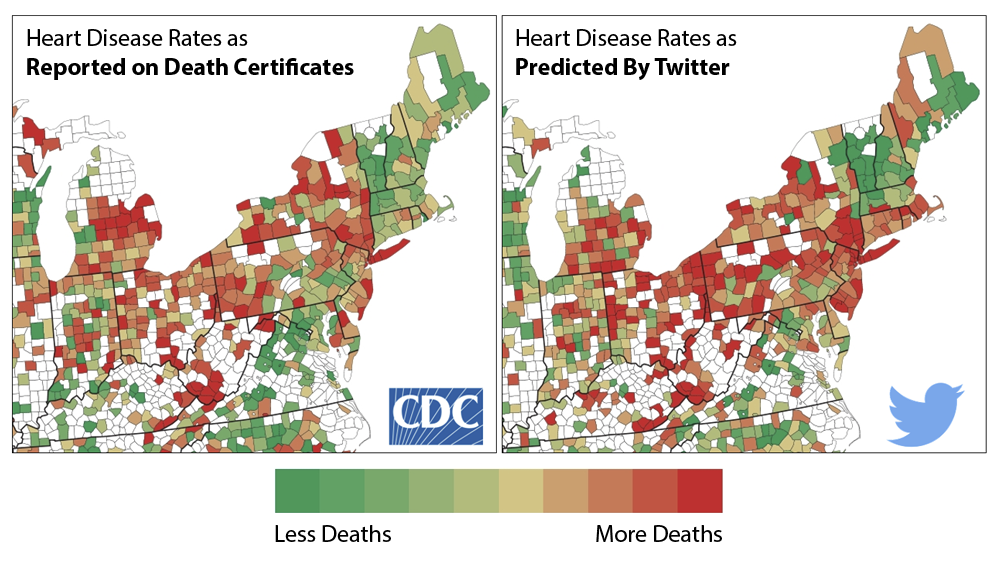
Social-media-based digital epidemiology can support faster response and deeper understanding of public-health threats than can traditional methods.

While progress in wearables and smart fabrics is impressive, few healthcare providers are equipped to collect and use the data that's generated. Now would be the time to start planning for use in daily practice.
In the land of universal health care, the idea of telemedicine is as much about cultural change as it is about innovation and cost savings. Are Canadians ready to break new ground?
2015 Connected Patient report finds serious gaps in the use of technology for connected health care. Millennials have a solution—get with the program.
Institute for Development Studies conducts digital storytelling workshops in Shillong; participants gain technological skills while telling stories of poverty, unplanned pregnancies, and poor quality healthcare.
We are still in the dark ages when it comes to health and fitness data. And Apple HealthKit is making it worse.
Could Valentine's Day be optimized by Digital Health? Reflections on wearables, love and other emotions…
nuviun's Senior Content Editor provides a quick trip around the Digital Health Landscape in this weekly wrap-up with her Digital Health Rounds.
.jpg)
Talking "Epi-Pen" gives patients and caregivers "out loud" instructions for injecting life-saving epinephrine into those with life-threatening allergies.
Disruptive innovation doesn't just take place in research labs. These innovators are changing the way we perceive digital health.
Digital Health is a dynamic and evolving industry and the key to its success is great leadership. Here's what to look for.
Even though personal genomics has great prospects globally, including numerous possibilities for Africa, very few Africans are enthusiastic about it.

Paris-based myBrain Technologies unveiled Melomind a head-worn display that serves as a digital meditation aid.

In our new Nosta & Friends series, John Nosta welcomes Tom Greene—who offers his unique perspective on customer loyalty as it applies to healthcare.

Dan Munro says that the potential for losing our privacy on the road to digital health makes trust even more important—and potentially lifesaving.

Steps to allow three-person babies approved by UK House of Commons. Critics are worried “designer babies” will result.

Reports from the International Diabetes Federation indicate that diabetes prevalence is increasing significantly worldwide, led by countries with emerging or newly emerged economies.

The most successful companies in the next decade will focus on connecting the virtual and physical worlds.
In all this discourse about how technology is going to liberate us from the paternalistic approach to health, patient voice is still barely heard.

Big data expert Pam Baker says that for precision medicine to work, a new "data diagnostician" specialty will be needed—and formularies must be eradicated.
US-based CytoSorbents Corporation and Italy’s Aferetica SRL collaborate to bring a new blood purification treatment, CytoSorb®, to the Italian medical device market.

HelpMeSee brings surgical simulation training and cost-effective solutions to cataract blindness into Latin America.

Dubai’s 2015 healthcare strategy remains focused on prevention, access, and quality as the medical tourism industry grows.
In an age where everything from keystrokes to footsteps is being monitored, it’s getting harder than ever to develop useful digital health privacy guidelines.
With the rise of digital health amplifying our behaviors and positively impacting our health, we’ve got some fun steps ahead.
nuviun's Senior Content Editor provides a quick trip around the Digital Health Landscape in this weekly wrap-up with her Digital Health Rounds.
UAE signs US$ 1 million cooperation agreement with the World Health Organization to secure artificial limbs for Syrians in need.
#Bell Let’s Talk Day ranks #1 worldwide on Twitter, raising more than CA $6.1 million for Canadian mental health services and helping to reduce stigma.
Until wearable technologies embrace the “Big Data” of biomechanics, the ability for consumers and health care providers to grasp and sustain the benefits will remain a challenge.
4 weight loss apps you’ve probably never heard of – and the behavioral science behind them.
.jpg)
Study Links Higher than Expected Colorectal Cancer Mortality Rates to Poor National Health Systems

A new study finds that the way the brain processes stressful situations correlates with future vulnerability to the development of depression and anxiety.

BYOD has become a mutually beneficial trend in the workplace to employers and employees alike. With more companies embracing the trend, it is particularly important for enterprises to learn how to manage the risks associated with apps on personal devices in the workplace.
Dr. Bill Crounse—Microsoft's Senior Director, Worldwide Health—says that what we need most is a greater focus on policy and technology that actually makes things more simple.
Over the past few weeks flurries of publications, journalists and medical professionals have all offered their own predictions for the year ahead. Often offering wildly varying views of the next 12 months, Damian Radcliffe identifies the areas where there appears to be the most consensus.

mHealth is booming. Proven to improve productivity, care quality, access, and customer satisfaction, mHealth also boosts an organization’s bottom line by adding efficiencies on multiple levels.

Big data expert Pam Baker says that in the momentum of big data use, few realize that the business models they are anchoring their work to today could set them adrift in the future—if they continue to hold to old ways of doing things instead of moving to new healthcare models.
Engineers from Samsung develop an Early Detection Sensor and Algorithm Package (EDSAP) to predict stroke events faster, and with increased accuracy.
Qatar’s multi-media, multi-generational, bilingual health education campaign teaches the importance of lifestyle choices in the fight against diabetes and other non-communicable diseases.
Study finds that eLearning is likely as effective as traditional methods for training health professionals, but barriers to adoption remain.
Through nuviun’s new DataVision, we provide the first in a series of articles to offer an introduction to data journalism and data visualization—with 7 outstanding examples of projects in health and technology.
nuviun's Senior Content Editor provides a quick trip around the Digital Health Landscape in this weekly wrap-up with her Digital Health Rounds. This week, she's impressed by an apparently new trend in wearables: “task-specific devices.”
.jpg)
In India, smart devices will play a key role in encouraging and documenting compliance with Prime Minister Modi’s Clean India Campaign.
Expectant parents can now record their baby’s heartbeat anywhere, anytime, using smartphone-based fetal heart rate monitoring systems. But are they safe?

Breaking News: Two independent studies, published today, use new technology to isolate the neural circuit that controls compulsive sugar consumption, shedding light on binge eating disorders.

Results from a social experiment conducted in the UK and Italy reveal promising insights into the usefulness of ICT and social networking on the mental health of ageing Europeans.
Companies in the Digital Health 100, ranked by the Journal of mHealth, seek to improve outcomes, reduce costs, and increase communication among care teams.
More than 100 thought-leaders in the healthcare industry from both the US and Canada shared information last month about how eHealth practices are improving patient care and what needs to be done.
Despite its reputation for bureaucratic bungling, the VA is actually leading the way in innovative telemedicine solutions.
A stakeholder survey from the European Commission emphasizes the importance of promoting innovation while generating trust among diverse users.

Investments in bioinformatics and crop breeding would help the African Orphan Crops Consortium achieve its aim of reducing the prevalence of undernutrition and stunting among African children.
2014 was a big year in digital health, and experts predict it to get even better in 2015.
Flexible, multi-functional spinal implant capable of restoring mobility after paralysis also harvests information about brain signals that could have a significant impact on the way we understand and treat physical disabilities.
Digital Health Futurist Maneesh Juneja explores whether personalised prevention should be getting more attention than it is.
eHealth and health informatics to facilitate the five-year strategic plan laid out by the Health Authority – Abu Dhabi.
In a drafted document that the Food and Drug Administration (FDA) recently released, the US federal agency clarifies its thoughts about which types of wearable tracking devices will be under its watch.
nuviun's Senior Content Editor provides a quick trip around the Digital Health Landscape in this weekly wrap-up with her Digital Health Rounds.
Claiming to be the first of its kind, a New York-based firm is selling franchises for telemedicine technology and territories to entrepreneurs and healthcare providers.
New neuroscience research from Switzerland reveals that smartphone use changes our brains.
A Canadian study finds that avatars offer accurate information about their creators’ personalities
Wearable sensors in helmets and mouth guards are giving young football and hockey players new hope in fending off traumatic brain injuries from concussions.
Exclusive interview with co-founder John Brownstein and the full history of HealthMap in one timeline visualization.
American researchers increase flu vaccination rates by combining educational messages with vaccine reminders in text messages.
Informed patients in need of palliative care are finding that their needs can be met in better ways—by practitioners who recognize that new models of mobile medicine may be better suited to optimize patient care.
Genomics England begins its 100,000 Genome Project to speed time to diagnosis and inform personalized treatment regimens.
“What Africa needs is not a solution that solves a problem or two, but one that is adaptable to personal needs.” - Joshua Ihejiamaizu
As healthcare data begins to flow into mobile devices, mobiles are beginning to be prime targets for cyber thieves.
Big data expert Pam Baker says that while there are no simple cures for technology snafus or for the learning curve blues when using big data, there are three fundamental things that can change everything in your favor.
Journalist Damian Radcliffe takes a look at CES 2015 and analyzes what's next on the wearables horizon.
Scientists from around the world are working to make prosthetics more responsive, more life-like, and more affordable. Combined, these developments hold great promise for amputees.
Though it may prove challenging to get patients on board, having patients schedule their own medical appointments via a portal has many benefits, Accenture reports.
Village Baby Care uses interactive voice response technology to deliver well-crafted, pre-recorded, and age-specific messages to new parents in rural Cambodia.
In the “age of over-information,” frantic lifestyles, and jam-packed calendars, the quantification of our thoughts via wearable technology is proving to be a powerful solution towards better well-being.
nuviun's Senior Content Editor provides a quick trip around the Digital Health Landscape in this first edition of her Weekly Rounds.
Reducing Diagnostic Costs and Improving Outcomes via Smartphone-Enabled Microscopy for Tuberculosis in Developing Regions
A new program providing smartphones to the homeless could also latch onto the opportunity to improve their health as well, journalist Anne Zieger says.
A global online survey suggests social media support groups are useful for information seeking and alleviating feelings of isolation among chronic pain sufferers.
Paging Dr. Google: Global trends in health information seeking habits and challenges to health information equality.
New research concludes that some major brands must improve their apps if they hope to maintain a presence in the health app market.
A closer look at health apps: the rise of digital detox tourism means we need to power down more frequently

Quality, Accessibility and Cost: Five digital health fields that offer solutions
Use of digital health fitness devices and apps can be exciting and fun to monitor, but what does all the data eventually tell us?
Netherlands-based Radboud UMC and Ultimaker are piloting patient education programs using 3D disease models, allowing patients to see and touch what was once invisible.
Many family caregivers use digital health tools, but they remain complex and confusing to some patients, especially the elderly.
In a number of hubs churning out tech solutions in various parts of Africa, health apps are developed without input from health professionals.
How digital health technology—including apps, wristbands, and sheets can change the way you sleep at night.
This year’s James Dyson Award for design engineering goes to James Roberts, the 23 year-old UK inventor of MOM, a potentially life-saving inflatable incubator.
mHealth pilot in Norway finds no significant differences between individuals using self-management app and those receiving only the usual care. Interesting usage findings may inform further innovations in mHealth.
A group of engineering students at Michigan State University have created a prototype insulin pump which talks, designed to help the visually impaired use their pumps more safely.
Fitness expert Josh Trent says that by utilizing new and exciting wearable fitness devices that track and encourage healthier habits, the oyster of health has never been easier to crack than in the year ahead.
Last year was certainly a great year for many digital health startups—and there are reasons to think that 2015 could be even better.
International study reveals that investments in health information system capacity can reduce barriers to global public health data sharing.
If the pace of healthcare technology is like a rabbit, governmental response to engaging these technologies is definitely the tortoise, and that’s what exactly what Aventor would like to fix.
Lessons learnt since the 2004 tsunami: Digital innovations in disaster preparedness, emergency response planning, and public health delivery.
New edutainment app, Look at Me, builds social skills in children with autism and gives families an opportunity to connect.
Venture capital investor Lisa Suennen provides her perspectives on the five big trends that she believes will offer the most opportunity for those smart enough (and lucky enough) to play them the right way.
Digital news, social media, and big data complement the traditional methods for tracking and reporting communicable diseases, such as Polio and Ebola.
Big data expert Pam Baker says that big data's work in healthcare is just getting started—and predicts some significant progress in 2015.
The presence of Oculus at the recent mHealth Summit has some wondering what the future holds for virtual reality in healthcare.
European researchers test TBIcare prototype that could help improve treatment outcomes for patients with traumatic brain injuries.

As we look into the New Year, we’ll see gamification used to make millions of positive health changes essentially more fun.
Veteran healthcare journalist Anne Zieger provides her views regarding the needed ingredients to make mhealth really work in the coming year.
The next year should see the emergence of more players in the hot sector of mobile ultrasound.
Community health workers use wireless technology to deliver quality care for non-communicable diseases in rural India.
Uganda-created app mHero is on a fast-track to implementation on the Ebola epidemic’s frontlines.
At this year's mHealth Summit, pharma firms seemed to indicate that they’re going into medical wearables and mobile tech in a big way.
Telehealth progress in 2014: Investments, reimbursements, policy reform, and personalization have the industry poised for substantial growth in the coming year.
Rafael Grossmann, the first surgeon to use Google Glass during live surgery, says he thinks that the future has arrived indeed!
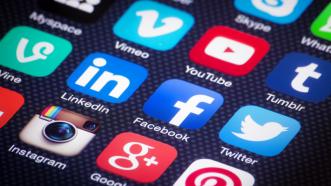
Study results suggest that hospitals are making far greater use of social media than they have in the past.
Hospitals and health systems are increasingly realizing the value of their intellectual property and finding ways to leverage and commercialize new technology ideas.
While research has focused on how wearables can cut the cost and improve outcomes of chronic care, preventing disease in healthy people can have a significant impact on these variables as well.
At the recent mHealth Summit in DC, reps from Aetna and Pfizer said they're concentrating less on venture investment and more on direct collaboration with innovative new tech companies.
Outcomes Based Healthcare and Big Data Partnership won a £1 million grant to develop a platform that gives physicians predictive insight into potential complications of diabetes.
Big data expert Pam Baker discusses the need to make data multipurpose and readily available for a wide variety of analyses and researchers.
New Zealand companies collaborate to accelerate technology and market the development of digital health monitoring for the aging population.

Entrepreneur Jonathan Rothberg says he is developing a scanner the size of a smartphone that you could just hold up to a person’s chest and see a moving, 3D ultrasound image of what’s inside.

Digital health philosopher John Nosta says the promise of digital health and enhanced care is taking shape in many ways—including visual medicine achieved through bedside ultrasound.
Writer Mona Karaoui, nuviun’s Voice of the Consumer, provides her perspective on aggressive marketing strategies, and the effects they may have on consumers.

mhealth tools offer many benefits for clinical trials—such as improving medication adherence, facilitating collection of large volumes of medical data, and making patient recruitment and compliance monitoring easier.
RateMyHospital may be just the beginning of a family of mobile technologies designed to streamline communications between providers and patients.
Though digital health is on the rise in Africa, a variety of factors still need to be addressed in order to turn potential into reality.
In the final episode of this 3-part series, Gisele Waters provides her observations and insights about the amazing Elizabeth Holmes—with an eye on what the future might hold for her paradigm-shifting Theranos.
Desolenator combines the power of the sun and crowdfunding in an effort to bring clean water independence to millions of people living in water-scarce locations around the world.
In the second episode of this 3-part series, Gisele Waters examines what she believes to be one of the key attributes that Elizabeth Holmes is using to drive her Theranos success: transdisciplinarity.
MEDIGO, the first online healthcare marketplace devoted to helping patients find medical treatment abroad, disrupts traditional medical tourism with price and quality transparency.
As part of a larger effort to improve vaccination rates, Alberta Canada’s health agency has contracted with U.S.-based Scientific Technologies Corporation for the implementation of a vaccine management system to reduce waste and ease the disease burden.
In this 3-part series, Gisele Waters dives into the amazing world of Elizabeth Holmes, and the paradigm shift that her company, Theranos, is beginning to make around the consumerization of healthcare.

Doxunity allows physicians in the Middle East and North Africa (MENA) region to collaborate with their peers in a fast and secure environment.
.jpg)
3D printing is gaining steam in medicine, and even saving lives.
Withings’ 360 degree, blanket-the-market approach makes a lot of sense, as mHealth wizards are increasingly looking at “ecosystems” rather than single devices.
Looks like Google will be replacing its Glass processor and shifting its focus to the workplace market.

Thanks to incentives under the Affordable Care Act, more hospital executives are offering telemedicine technologies in hospitals-but reimbursement is still the primary hurdle, according to the 2014 Telemedicine Survey by Foley and Lardner LLP.
If LG hopes to compete seriously with the deep-pocketed tech giants entering the digital health space, it will have to pull more than one rabbit out of its hat.

A year-long randomized clinical trial involving more than 21,000 adults found that people who received automated reminders were more likely to refill their cholesterol and blood pressure medications.

This whitepaper starts with an overview of the healthcare industry in the GCC, including an examination of market drivers and trends which are impacting healthcare growth. Next, three specific GCC markets are highlighted: the UAE, Saudi Arabia and Qatar, to determine what unique opportunities exist in each sector.

GCC region shows dynamic positive change in ICT connectivity in comparison to 2013; poised for innovative development.

mHealth-related technologies are coming down the pike which might soon have an impact on the health care system.
Digital health solutions are proving effective in supporting the vision for an HIV-free Africa in the future.
One doctor says that if platforms like HealthKit can make patient medical records available virtually anytime and anywhere, it's a very big deal.
As it increasingly rolls out a digital health ecosystem to connect disparate devices and software platforms, Samsung could gain a distinct advantage over companies that are trying to solve one problem at a time.
Is a recent prediction of a $78B EMR savings a realistic expectation? Veteran healthcare journalist Anne Zieger digs a little deeper.
The United Kingdom recently announced a five-year framework to deliver more seamless, transparent and personalized digital health solutions for citizens and residents.
Domingo Guerra, the President & co-founder of Appthority provides his insights and expertise regarding risky security behaviors associated with mobile devices and associated apps.
The launch of new accelerators by CVS, Samsung and others should only add fuel to a growing digital health fire.
Eeva Kiuru, the CEO of Health Innovation Academy, describes the pulsating innovative energy created once again at this year’s SLUSH.

Digital health researcher Lorena Macnaughtan explores the global regulatory trends in digital health—and the impact upon innovation and progress.
With easy access to mhealth solutions, consumers can help fight the dangerous effects of counterfeit drugs.

Dr. Bill Crounse, Microsoft’s Senior Director of Worldwide Health, says that optimizing value from technology in healthcare goes hand in hand with having a workforce that is well prepared and ready for the changes that will take place.
Sue Montgomery, nuviun’s Senior Content Editor, shares her gratitude for the gifts of family, the benefits of technology, and a global digital health community to help make the world a better place.

Medical futurist Bertalan Mesko, MD, PhD says there are thousands of reasons to look forward to the amazing, yet uncertain future of medicine—but we must start preparing now.

Research shows that Virtual Reality-based Graded Exposure Therapy (GET) techniques can improve PTSD symptoms and associated disorders, indicating wider potential applications of Virtual Reality in psychotherapy.

Dubai is transforming itself into a smart city that could be a model for emerging economies.
Big data expert Pam Baker says that advancements are coming in healthcare that could create upheaval in current models—but by using big data effectively, companies can optimize innovation efforts to remain competitive.
Rafael Grossmann, MD, FACS, the first surgeon to use GoogleGlass during live surgery, addresses the recent press about its demise—and his belief in the future it represents.

As advances in nanotechnology continue across the globe, it seems likely that Malaysia will be one region that’s leading the charge.
Writer Mona Karaoui, nuviun’s Voice of the Consumer, talks about her introduction to the exciting world of digital health—and the possibilities she sees on the horizon.
The increasing use of consumer mobile apps has prompted EHR vendors to partner with healthcare app developers, or create their own, as they move into population health management.

Digital health philosopher John Nosta thinks we’re spending too much time on yesterday’s technology and too little time on changing the game.
Project Artemis, a Big Data analytics platform developed jointly by IBM and the University of Ontario’s Institute of Technology, can detect nosocomial infections in premature babies 24 hours before the symptoms appear.
This whitepaper provides an overview of the digital health landscape for doctors.
In 2014 Lisa Suennen was named as one of the Top 50 People in Digital Health by Rock Health, Goldman Sachs, Fenwick & West and Silicon Valley Bank and also as one of 15 Disruptive Women to Watch in 2015 by Disruptive Women in Healthcare. Here, this venture capital investor, author and Managing Partner of Venture Valkyrie Consulting, LLC, characterizes the digital health landscape with her very own Periodic Table of Digital Health.
Dr. Mustaqeem Siddiqui says there’s hope for physicians beyond exasperation—by getting involved and creating solutions.
Stephanie Tilenius, the Founder and CEO of Vida, says that the future of healthcare is happening right now—putting the industry on the brink of an Amazonian disruption to meet consumer expectations for convenience, personalization and 24/7 access.
Japan’s latest robots are being designed to take care of its graying population.

Private investments continue to pour into the UAE’s healthcare sector amid high growth, affluence, and a rising incidence of lifestyle diseases.
In this second of a two-part series, Digital Health Futurist Maneesh Juneja examines the potential for digital health to meet the challenges facing China’s healthcare system.
Just when we thought the BYOD movement created the greatest onslaught of enterprise worry—we now have a whole host of body-bound gadgets to increase our fears.
Veteran healthcare journalist Anne Zieger says it seems likely that telemedicine is going to have a significant impact on healthcare delivery in the near future.
Award-winning, Nigeria-based journalist Paul Adepoju says effective digital health solutions in Africa have two things in common: simplicity and specificity.
After watching for a while as other companies rolled out fitness bands and other wearable health devices, Microsoft has decided to join the fight for the wearables market.
Writer Mona Karaoui talks about how digital health helps her connect with and care for her family—even from a distance.
Big Data expert Pam Baker says it’s essential to master big data to proactively and strategically harness change—in order to discover and respond to emerging opportunities and threats.
A slew of health and wellness apps are beginning to integrate HealthKit functionality, making it easier for doctors and patients to engage and share health data.
With data breaches being reported almost on a weekly basis, healthcare organizations are struggling to plug holes in information security leaks.
Doctors aren’t the only ones uses telehealth to support remote care, nurses are also making use of these increasingly vital tools to care for patients around the world.
In this first of a two-part series, Digital Health Futurist Maneesh Juneja examines healthcare on China’s landscape—with an eye on the potential for digital health applications to make a difference.
ACT/The App Association and mHealth companies want uncertainties in the existing regulations removed and more sensible health privacy laws adopted.
Healthcare consultant and entrepreneur Dr. Aakash Ganju examines the state of maternal and child health in India, and the potential for mhealth solutions to improve care.
Wearables will eventually transform to “invisibles” as advanced sensors shrink to imperceptibly smaller sizes to monitor our health.
Healthtech journalists Ben Heubl and Nick Saalfeld discuss how less privacy could lead to better health.
The GSM Association released new guidelines to help mobile operators handle the anticipated increase in network traffic from Internet of Things (IoT) devices.
The digital taxi service takes a detour into healthcare to ramp up flu prevention efforts.
This low-cost device only needs a small blood sample to detect multiple forms of cancer.
Digital Health is a broad term which encompasses overlapping technology sectors across healthcare—as evidenced by our Venn diagram representing the Digital Health Landscape. In this “Digital Health in Action” series, we’ll focus on specific examples from each domain to show what an impact the digital health movement is making on healthcare across the world.

Digital health philosopher John Nosta discusses the exciting promise of nanotechnology in the context of our human capacity to embrace change.
Smart rings can receive notifications from smartphones, track fitness metrics and control devices using gestures.
A common question swirling around the exploding wearables market is whether touted claims are actually valid—since the traditional research model can’t keep up with the pace of innovation. But by marrying academia and industry, a team of UCLA researchers is working to change all that.
An archipelago of 7,107 islands, the Philippines is using digital health to overcome physical distance and the lack of clinical resources through community-based telehealth programs.
Sleepio, a digital sleep-improvement program developed by UK startup Big Health helps you beat insomnia and sleep deprivation with cognitive behavioral therapy techniques.

Dr. Bill Crounse, Microsoft’s Senior Director of Worldwide Health says EHR systems which champion mobility are providing the best solutions of all.
Big data expert Pam Baker says that offense is the best defense when it comes to a big data strategy for problem solving in healthcare.
Researchers develop a type of “electronic skin” that can detect lumps in breast tissue that are still too small to be detected on a manual breast exam.
Writer Mona Karaoui talks about her early days at nuviun, and her introduction to the exciting world of digital health.
Researchers at Georgia Tech and Emory University have developed a simple, disposable device that can accurately diagnose anemia in less than a minute using only a small drop of blood sample.
How can compassionate care be provided with a laptop in hand? Sue Montgomery believes it’s the only way to do it—if we want to give patients and families the care they deserve.
It seems that many physicians who are pressured by meaningful use requirements want to have more say in developing new EHR systems that match their workflow and improve patient care.

With robots becoming increasingly smaller, cheaper and more efficient, healthcare robotics is set to cross price, performance and market adoption thresholds in the near future.
Singapore is using digital health to enhance its healthcare system to meet the needs of an aging demographic.
Facebook is all about sharing. That’s why its apparent foray into healthcare is causing increased concerns about social media privacy.
The FDA recently released final guidance for medical device makers to address cybersecurity as more vulnerabilities are exposed and likely to be exploited by hackers.
In 2014, Lisa Suennen was named as one of the Top 50 People in Digital Health by Rock Health, Goldman Sachs, Fenwick & West and Silicon Valley Bank and also as one of 15 Disruptive Women to Watch in 2015 by Disruptive Women in Healthcare. Here, this venture capital investor, author and Managing Partner of Venture Valkyrie Consulting, LLC, provides an overview of her recent report, her perspectives on the evolution of healthcare accelerators, and important checklists to follow.
In an effort to prevent road accidents, the UAE is planning to revoke licenses of drivers with severe chronic conditions. But with a long-term focus on using digital health to manage chronic diseases, hopefully more drivers can stay behind the wheel.
Dan Munro says that as much as we want to blur the line between digital health’s two colliding worlds—consumer health and patient health—we really can’t. At least not yet.
Hospitals are using germ-zapping robots to prevent the spread of the Ebola virus.
Potentially more dangerous than Heartbleed, the Bash computer bug could be exploited by hackers who may be able to access a wide range of digital health systems—including computers running electronic medical records, websites, hospital equipment and medical devices.

In this TEDx Talk, digital health evangelist John Nosta discusses the genius we all have within—if we’re willing to discard the erroneous assumptions that lead to cognitive tyranny.
“Drugs don’t work in patients who don’t take them.”–C. Everett Koop, MD (former U.S. Surgeon General)
On June 20, 2013, Rafael Grossmann, MD, FACS, made history by being the first surgeon to use Google Glass during live surgery. A Google Glass Explorer and leading proponent for the use of technology in healthcare, Dr. Grossmann discusses how advanced telemedicine technologies provide improved quality and decreased costs in acute care settings.
Dubai police officers will wear Google Glass headsets equipped with facial recognition software to apprehend traffic violators and hunt down criminals.
Creativity is the friend of the desperate, and medical scribes are the answer overwhelmed providers are turning to—the latest digital health duct tape for broken systems in need of some care.
The United States’ northern neighbor is strongly pushing its electronic health records (EHR) and telehealth programs, as well as training engineers, entrepreneurs, clinicians and patients in using digital health tools.
After completing groundbreaking initiatives like the Human Genome Project more than a decade ago, the United States now finds itself playing catch-up with China in genomics research.
BlackBerry plans to integrate thousands of medical devices in India and launch a healthcare-focused smartphone in what is seen as its strategic foray into the Internet of Things market space.
Retail clinics and hospitals are integrating their EHRs to provide accessible and affordable primary care services—bolstering patient outcomes and reducing readmission costs.
.jpg)
Digital Health is a broad term which encompasses overlapping technology sectors across healthcare—as evidenced by our Venn diagram representing the Digital Health Landscape. In this “Digital Health in Action” series, we’ll focus on specific examples from each domain to show what an impact the digital health movement is making on healthcare across the world. Here, we take a look at how mhealth technology is being used to fight against counterfeit drugs in the marketplace.
Disputes between EHR vendors and clients negatively impact patient care and add to a growing list of disconcerting stories about EHR use and implementation. However, practices may mitigate their risks by taking a few key steps.
Healthcare leaders are suddenly sitting up straight—taking a new view of the value of the tsunami of data at hand. That’s why it’s important to have leaders in healthcare’s big data space, and access to the expertise they can provide.
Chief information officers (CIOs) and senior IT executives of major U.S. healthcare systems say that they are putting big data analytics first before all other health IT concerns.
When I first turned my attention from clinical practice to the management of healthcare IT the first buzzword (or perhaps phrase?) I encountered was Digital Health. Whether it was on Twitter or otherwise, I couldn't escape it and I immersed myself in it instead.

With multiple projects in mHealth, telehealth, genomics, robotics, digital hospitals – and now, a cancer R&D; and manufacturing facility – the UAE continues to solidify its claim as the hub of healthcare and digital health growth in the Middle East.
The IOM says patients aren't spending their final days the way they want to. Digital health offers a plethora of solutions to make end-of-life care better.
In his third post in our BRIC series, Maneesh Juneja examines the state of Digital Health in India, the world’s largest democracy.
Offering increased access to care, a vast array of options for obtaining it, and the ability for companies to increase productivity while decreasing costs, mhealth is transforming the way healthcare is delivered throughout the world. By following a few best practices, you can help to ensure that the security risks that come along for the ride won’t put your organization at risk.
MIT scientists have made a dime-sized microfluidic device that can separate hard-to-find cancer cells from healthy ones using angled sound waves—sending an early warning that cancer cells are spreading.
.jpg)
Digital Health is a broad term which encompasses overlapping technology sectors across healthcare—as evidenced by our Venn diagram representing the Digital Health Landscape. In this “Digital Health in Action” series, we’re focusing on specific examples from each domain to show what an impact the digital health movement is making on healthcare across the world. Here, we take a look at an example in mhealth—the use of smartphones in point-of-care diagnostics.
Google has recently inked an agreement with pharmaceutical firm AbbVie for its anti-aging Calico project that aims to conquer age-related diseases and lengthen the human lifespan.
After “Monster Manor,” Sanofi Diabetes launches its second gamification app—“Mission T1D”—aimed at improving children’s understanding of Type 1 Diabetes and how to cope with it.
Researchers from Xerox and the University of Rochester tap into mobile health with videoplethymography—a simple webcam-based video test to detect atrial fibrillation.
Several smartwatches using the Google Android Wear OS launched just before the Apple Watch announcement—signaling that the wearables competition is heating up between the two giants.
The power of digital health can be the connective tissue that bridges the disconnected aspects of care and information—transforming WOW into a clinical tool.
With 50% of U.S. broadband households having at least one chronic condition and 30% using at least one connected health device, the U.S. connected health market presents many opportunities for service providers.
Black boxes, like the ones used in airplanes, record surgeons’ movements to provide analysis and identification of errors to prevent potential patient complications.
MOTA’s SmartRing delivers smartphone - like alerts of new text messages, emails, incoming calls and calendar events right to your finger—making it the new notifications hub.
A hacker successfully breached a server used by the U.S. government insurance exchange site, serving as yet another example of the growing cybersecurity worries for the healthcare industry.
In today’s healthcare environment, there are no laurels to rest on—and those who recognize that agility is the name of the game will do best when it comes to the business intelligence and clinical analytics solutions that healthcare so direly needs.
The pharmaceutical company grants valuable mentoring and $65,000 in seed money to each of the five companies, and gets up to 10 percent equity in return.
The sensors and wearables industry is holding its breath as speculation grows over Apple’s hotly anticipated launch of iWatch alongside iPhone 6 at the confirmed September 9th event.
With its adolescent Jeopardy win, Watson started the machine-learning craze. Now it’s matured to the point that its brain-power is being used in healthcare settings, and Big Daddy’s planning to sell its stuff.
The LeChal shoe acts as a real-time GPS device that vibrates to prompt the user where to go, and can simultaneously record steps, calories and distance traveled
America’s healthcare system has become far too complex and costly to continue business as usual.
The 10 Finalist Teams have until the middle of next year to transform their proposals into working prototypes of handheld diagnostic devices capable of monitoring vital signs and diagnosing diseases.
John Nosta professes his love for two words that are changing the world—DIGITAL HEALTH.
A new eye implant works with a smartphone camera to allow patients to continuously self-monitor eye pressure, making treatment for glaucoma more accurate.
Compared to other countries, Russia definitely faces immense challenges when it comes to improving the health of the nation. So what are the opportunities for Digital Health to play a role in making Russia healthier?
A recent survey says that young people - the most tech-savvy of all segments of the population - are also the least receptive of digital health products and services.
Using the computer bug called �?Heartbleed’ -- hackers recently launched an unprecedented cyber attack on a large U.S. hospital system and stole the personal health data of 4.5 million patients.
If you think there’s MU-induced finger-pointing now, just wait until the benefits of Big Data optimization become glaringly apparent, and Interoperability is defined as the essential requirement to make it happen.
The U.S. National Science Foundation awards a $3 million grant to Cornell University researchers to develop smartphone apps and accessories that detect nutritional deficiencies, stress levels and HIV.

High quality of medical care, experienced physicians, specialized treatments and proximity are the main reasons why medical tourists are flocking to Dubai.
Just when providers thought there couldn’t possibly be more added to their plates, it looks like advances in consumer technology may be cooking yet another super-sized meal to digest.
Johns Hopkins scientists make a blood test that can predict with 80% accuracy a person’s risk of committing suicide.
Intel is teaming up with the Michael J. Fox Foundation to launch a research study of Parkinson’s patients using its Basis smartwatch, other wearable devices and big data analytics.
The use of telemedicine programs by employers will rise 68 percent in 2015, potentially saving them approximately $6 billion yearly, a recent Towers Watson survey says.
This tablet-based app used by nurses and health coaches in a follow-up care program reduced hospital readmission rates among at-risk Medicare patients by nearly 40 percent.
This handheld device can check a blood sample for the presence of the dreaded Ebola virus in just 15 minutes.
According to Proteus Digital Health, the company’s sensor-laden pills demonstrated a 99.1 percent detection rate of medication adherence during clinical trials.
The explosion of digital health, an increase in consumer needs, and changes to the regulatory and reimbursement landscapes are all working together to create new models of care unlike anything we’ve ever seen.
Teen inventor creates tiny, pressure-sensitive sensors worn on the feet of Alzheimer’s patients who are prone to wandering. The system automatically triggers an audible alert via a smartphone app when the patient steps away from the bed.
London’s tech entrepreneurship ecosystem has encouraged its business owners to master a set of unique skills. Think Eric Ries’ lean startup approach and the ability to prototype fast and fail cheaply. Or the creation of valuable partnerships, bagging investment and growing at warp speed towards an exit. These lessons made TechCity one of London’s key tech-sector support organisations.
A wearable app co-developed by Philips and Accenture can process brain commands from an EEG headband to control devices and communicate with others.
We need the coordinated efforts of out-of-the box thinkers who put consumer needs first—pushing the paradigm shift beyond current practices into the realm of what-might-be-possible if we break the traditional mold into tiny little pieces.
Personal genomics company 23andMe has secured a $1.4 million grant from the U.S. National Institutes of Health to further grow its database for pioneering genetic research.
Genomics England and DNA sequencing company Illumina have launched the 100,000 Genomes Project — a bold initiative to help discover groundbreaking treatments against cancer and rare genetic disorders.
Many patients seek online health information not only because they are curious, but due to missing or dubious advice given them by care providers, a recent survey confirms.

The healthcare challenge: do it well, do it more, and be frugal about it. If there’s any sector in healthcare that’s up to that challenge, it’s the old hat of telemedicine—that’s suddenly sprouting new wings to expand the array of options to provide quality, accessible and affordable care.
Griffith University recently released CliniHelp – a smartphone app for chronic fatigue syndrome sufferers. The app works as a record-keeping tool to monitor symptoms for reference by doctors.
The FingerReader wearable health device developed by MIT researchers can scan and read text in real-time.
Too humble to tout an “I told you so,” this pioneering field proved early-on that there can be better and more efficient ways to deliver care than within the brick-and-mortar confines of the healthcare space.
A landmark study by the Psychiatric Genomics Consortium (PGC) reveals that schizophrenia has more genetic links than originally thought. New insights gleamed from the study could lead to newer treatments for the mental condition.
Future sensors and medical devices could use a natural protein found in squid skin called reflectin to make them less likely to be rejected by the human body.
Sensoria, developer of fitness apparel with embedded biometric sensors, reportedly raises $5 million in Series A funding from Italian venture firm Reply SpA.
Patients suffering from chronic pain reported at least a 30 percent reduction in pain after a year of being enrolled in a telephone and Internet-based telemedicine program, according to a JAMA study.
In the midst of all of the enormous energy dedicated to Health IT innovation, regulation, and implementation, an unfortunate consequence too frequently occurs: patients and providers are lost in the shuffle of user complexity and confusion that often outweighs touted benefits.
Future pacemakers that regulate heart rhythm could be in the form of injectable genes, rather than the metal devices commonly implanted in patients’ chests today.
The startup raises $1.75 million in Series A financing and secures a second patent ahead of a planned launch of the second generation of its smart pill bottles.
World Cup aside, Brazil is set to make history in 2016 by being the first South American city to host the Olympics. Can it also make history by becoming a leading global hub for Digital Health? Maneesh Juneja takes a look at the fundamentals.
One of the first fully digital hospitals in the world, the Cleveland Clinic Abu Dhabi seeks to bring world-class, multi-specialty medical treatments to patients from around the GCC region.
Stanford researchers have developed a microchip that could diagnose type I diabetes quicker than conventional methods, for only a fraction of the cost.
A study by the Washington University in St. Louis reveals an overall lack of government, media, educational, and other credible sources of information on Twitter regarding childhood obesity.
Dan Munro waters down some digital health kool-aid.
Using big data analytics can predict the risk for developing metabolic syndrome, and help guide individualized treatments, a recent study says.
Researchers have devised a nanoparticle delivery system that could target bone cancer cells with more precision than existing therapies in order to delay cancer progression and metastasis.
Is the moon just too close? And while it’s just an analogy, this amazing level of technological innovation combined with human drive and necessity just might put us beyond the moon and out beyond the reaches of Mars.
Where are the Hotspots for digital health tech companies in Europe?
Kuwait is partnering with the U.S. Army of Engineers in building a $1.7 billion military hospital, one of nine new hospitals to be built in the next few years to meet rising demand for health services.
This year’s Digital Health Summer Summit explored the most urgent and controversial questions that face the industry today. Here, we provide an overview of the Digital Health Summer Summit 2014, with impressions from our nuviun leaders.
Thousands of healthcare organizations around the world, along with the medical devices and equipment that connect to their systems, are leaving themselves open to cyber attacks because of a crucial misconfiguration of a network security protocol.
Qatar plans to build 48 new health care facilities by 2020, with 22 of those projects expected to be done by 2016, during the first phase of its 20-year Qatar Health Facilities Master Plan (QHFMP).
Researchers have developed what they call the bioenergetics health index (BHI) to measure how susceptible a person is to developing any of a myriad of conditions – including AIDS, cardiovascular diseases, diabetes and kidney disease – then use this new diagnostic tool to help devise an individualized treatment.
Venture funding in the digital health space is at its highest ever - $2.3 billion worth of investments thru the first six months of the year - already surpassing last year’s total, according to Rock Health.
The smartphone app called RRate can accurately count the breaths of sick children six times faster compared to the traditional method used by doctors and nurses.
Increasing affluence, a booming and graying population, and the rise in lifestyle diseases will help drive the total healthcare market value of Gulf Cooperation Council (GCC) countries - Bahrain, Kuwait, Oman, Qatar, Saudi Arabia, and the United Arab Emirates - to reach USD$56 billion by the end of the decade, according to a research firm.
Facial recognition software and artificial intelligence developed by Oxford researchers could be used to analyze photos and diagnose genetic and developmental disorders quickly.
Researchers at Cornell University have reinvented the microphone, and installed one inside a wearable device that can detect body sounds other than spoken words, which can give clues to one’s mood and eating patterns.
The so-called “bionic pancreas” measures blood sugar round-the-clock, then delivers either insulin or glucagon automatically when the need arises, lifting a heavy burden on sufferers of Type 1 diabetes who usually need to check their blood sugar repeatedly throughout the day.
Functional, lightweight and stylish, these 3D printed back braces encourage kids and teenagers to wear them for the amount of time prescribed to avoid back surgery and complications.
Two in five physicians have used new digital communication technologies such as mHealth apps and telehealth technologies in reaching out to patients in the past year, according to Manhattan Research's Taking the Pulse U.S. 2014 study.
Google is set to unveil this month a unified health and fitness tracking service called “Google Fit” that would rival similar offerings from Apple and Samsung.
A wrist-worn sensor could detect levels of various electrolytes instantaneously, alert athletes to rehydrate, or could even deliver electrolytes on-demand.
Google’s massive servers will store and analyze 10,000 complete genomes of autism patients and related clinical data, the largest project of its kind, in order to make it easier for researchers to devise better treatments or find a possible cure for autism.
The showpiece integrated medical facility in Saudi Arabia’s ambitious plan to build world-class health centers, King Khalid Medical City would serve approximately seven million people in the kingdom’s Eastern Province when completed by 2018
In our second episode of this series, we dig a little deeper into the global health challenges that our world is facing today. Is Digital Health in its current shape and form up to the task? Global thinker Maneesh Juneja takes a look.
Marketing is crucial to the digital health revolution. Just how crucial is it?
A personal robot called �?Pepper’ who can read human emotions and assist in daily activities will be available for sale starting next year in Japan, which has arguably the highest proportion of elderly citizens in the world.
The “Can I Eat This?” mobile app from the U.S. Centers for Disease Control and Prevention (CDC) gives travelers easy tips on how to avoid gastrointestinal illnesses that result from ingesting contaminated food and water.
The 4-in-1 technique combines chemotherapy, radiation, lasers and nanoparticles in the highly-specific targeting and destruction of aggressive tumors without the typical harmful side effects associated with conventional cancer treatments.
In the midst of the struggles that we face with interoperability, efforts that support open API use may well hold the keys to the HIT Kingdom.
A new study reveals that one in three people worldwide is now either obese or overweight, with the greatest weight gainers found in the Middle East, and no country has reduced obesity rates in more than three decades.

With the recent announcements of three collaborative initiatives, we may see MU plant some meaningful roots that could both advance interoperability and empower patients as they deserve.
Capable of detecting the full spectrum of light, this new light sensor could allow non-invasive, low-cost imaging of tumors or monitoring blood oxygenation levels through the use of smartphones.
Healthcare executives, entrepreneurs, thought leaders and innovators networked and exchanged ideas on the future of digital health during the HealthXL Global Gathering 2014 event held in Dublin, Ireland.
To say that one has state-of-the-art healthcare not found anywhere else in the world, while handing over a clipboard of admission paperwork to fill out just isn’t going to cut it.
Healthcare experts and leaders gathered in Abu Dhabi for a two-day mHealth summit to share knowledge on the benefits of using mobile health applications in gamification, interoperability, and the fight against threats such as MERS.
Samsung announced Simband, a concept watch loaded with sensors that collect health data, and SAMI, a cloud-based sensor data platform, during a digital health event in San Francisco.
At Stanford’s Big Data conference, healthcare and information technology professionals, executives and leaders discussed the advantages of big data to medicine and how expectations are tempered by privacy and security concerns.
The device with a nanoparticle-coated network of microfluidic channels only needs a drop of blood to quickly and accurately analyze protein markers and detect certain types of cancer at the earliest stages.
The Dubai Health Authority and the Imagine Institute of Genetic Diseases in France would collaborate on genetic research and education to better treat genetic disorders in the United Arab Emirates.
Abu Dhabi’s first medical school at Khalifa University will train home-grown talent who in the future would provide world-class health services to residents, expatriates and medical tourists.
University of Texas engineers have built the smallest and fastest nanomotor that could fit inside a cell and deliver drugs, the latest development in research efforts to use nanotechnology in medicine.
The Saudi Health Exhibition & Conference 2014 brought together healthcare companies, industry leaders, healthcare executives, medical care providers, suppliers and government delegates from 35 countries to explore new opportunities in the changing healthcare sector landscape in the Kingdom.
Al Masah Capital says that the Middle East and North Africa (MENA) healthcare market will be valued at USD$144 billion by 2020, with a third of the market controlled by the private sector.
Engineering students from the American University of Sharjah (AUS) won first prize at the Imagine Cup 2014: United Arab Emirates finals for developing a brain-computer interface with accompanying mobile app that lets locked-in, paralyzed patients communicate with care providers and loved ones.
Using a newly-developed technique called mid-field wireless transfer through a thin metal plate placed over the skin, Stanford engineers successfully and safely powered an embedded device the size of a grain of rice to regulate the cardiac rhythm of a rabbit’s heart.
Instead of creating chic and trendy wristbands, watches and other wearable health devices to measure vital signs, this startup put tiny sensors inside a lowly seat cushion.

In a report to mark the 25th anniversary of the World Wide Web, survey participants of the Pew Research Center Internet Project predict that the Internet of Things, or IoT, will be commonplace by 2025, as the masses adopt wearable gadgets and interconnected devices into every aspect of their daily lives, including health
Robots will soon be prominent in hospitals across the United Arab Emirates, helping health workers in carrying out tasks such as disinfecting rooms, filing records, facilitating remote contact between patients and doctors, and assisting surgeons during complex procedures.
What the GCC is getting right in healthcare may be exactly what the rest of the world needs.
Sleep apnea sufferers who cannot tolerate or are poor candidates for CPAP therapy can now use an implantable neurostimulator device instead to stop snoring and get a good night’s sleep.

Engineering students from the University of Connecticut successfully designed and created an artificial kidney using 3D printing technology, the latest in a string of separate but similar projects involving the development of 3D-printed body parts and organs.
A German team of scientists have successfully tested an implantable vagal nerve stimulator that can control blood pressure, a new form of treatment that can potentially cure resistant hypertension or high blood pressure that fail to respond to medications.
The mHealth platform is currently used in three pilot programs and 15 sample cases worldwide in a wide variety of health areas including multi-drug resistant tuberculosis, diabetes, dengue, oral cancer, Chagas disease, plastic surgery, weight management, as well as narcotic use and domestic violence intervention programs.
The U.S. FDA just approved a DARPA-developed prosthetic limb capable of giving unparalleled control to amputees in performing complex tasks, very close to the degree of dexterity achieved by real limbs.
The U.S. military is developing a bandage-like sensor that analyzes biomarkers from sweat to conduct lab tests, instead of relying on traditional blood draws that involve sticking needles into veins.

Psychologists and game developers are working together to create video games that boost brain function and provide therapeutic benefits to those suffering from depression and other mental health disorders.

Topping the Independent Baby-boomer Wish List is the desire to stay put, instead of shuffling off to the digs of long-term care—and digital health is helping make it happen.
The 'Birdhouse For Autism' healthcare app helps parents of autistic children in organizing information such as diet, medications and allergies, as well as in monitoring their daily activities and behavioral patterns.
Clinical mobility innovation will change the way providers monitor and communicate with patients altering the way healthcare is delivered.
The UAE Ministry of Health launched a revitalized hearing screening program for newborns in the Northern Emirates to reduce the incidence of hearing problems.
IBM wants to use Watson’s supercomputing prowess to crunch Big Data numbers and run mobile apps that directly impact the health of users.
Mobile health startup 1EQ recently launched its BabySteps app to help pregnant women take care of themselves in between visits with the remote but direct supervision of their obstetricians.
Stanford University researchers have created a low-cost oral cavity scanner and mobile phone attachment that is capable of making snapshots of suspicious mouth lesions and assist health workers in oral cancer screening.
Carnegie Mellon University engineering students have created a removable shoe insole that can convert heel strikes into electrical energy strong enough to power electronic gadgets such as mobile phones, music players and GPS devices.
By turning a smartphone into a virtual reality device, a group of developers and psychologists aim to help people overcome their deepest fears by clicking on an app.
Victims of spinal cord injuries and paralysis go from being bound to wheelchairs to being able to walk again thanks to robotic suits and exoskeletons.
A thin and light 3D printed plastic cast with ventilation holes and its ultrasound bone stimulator can accelerate bone healing by as much as 38 percent, claims the designer behind Osteoid, a recent 3D product design winner.

There’s a call for more access to the leftover data that lying around gathering dust, or that which consumers suddenly realize they own and are willing to give up. And the result is a shift in thinking about the best methods to gather the bytes that could make us better, creating a new MOOD in scientific research: Massive Open Online Data.
The Lifelens smartphone app can take and analyze a microscopic image of a single drop of blood to detect malarial parasites, providing a simpler yet more accurate diagnostic test of the deadly disease.
An award-winning team of engineers are developing a smartphone attachment breathalyzer kit with a chemical-sensing chip to diagnose cancer and potentially many other diseases such as diabetes, tuberculosis and asthma.
As an alternative to wearables like medical alert bracelets, radar technology currently used in police work and the surveillance of planes, ships and vehicles will soon be used to monitor in-home seniors at risk for falling.
Electronic retailers in the Middle East and North Africa (MENA) region perceive future high demand for wearable gadgets, but just over half of them are currently keeping stock of wearables.
In a two-stage experiment, a team of scientists in France have shown the effectiveness of a biocompatible adhesive made of nanoparticles in healing wounds in place of traditional methods of surgical wound closure using staples and sutures.
A survey reveals that 90% of consumers are willing to share sensitive personal health data to providers and researchers in order to better understand diseases and improve care, but only if they do it anonymously.
Researchers at the Massachusetts Institute of Technology have invented a bionic ankle-foot device that closely emulates how a real ankle works in people and allows amputees to walk and climb stairs more easily and naturally than existing prosthetic devices.
Dubai Healthcare City (DHCC) and leading implantable hearing device company Cochlear opened a new center this week to cater to hearing-impaired patients in the region, including the rising number of children with congenital hearing loss.
Using a handheld microfluidic device that collects just a single drop of whole blood, researchers at the Wisconsin Institute for Medical Research have found a way to tell whether or not a patient has asthma.
A report by Alpen Capital Group says that Qatar and the UAE will be the fastest growing healthcare markets in the GCC in the next six years, and the overall growth rate for the whole region will hit 12 percent by 2018.

Those who understand the collective value of the gems within Big Data understand what mining them could mean – especially when it comes to healthcare. But getting there in this arena means hopping on a different kind of train than what other industries are riding.
Digital health funding more than doubled in the first quarter of 2014 compared to the same quarter last year, spurred by high spending on big data and robust growth for patient engagement projects.
The Al Jalila Foundation has earmarked AED 8 million in funding to award fellowship and seed grants to talented researchers and engineers in the United Arab Emirates (UAE) which looks to solidify its status as the leader of biomedical research in the GCC region.
Scientists used a 3D printer to make spherical tumors in the lab that closely resemble real cancer cells to better understand their structure and behavior, how to stop their spread, and to come up with better, highly-specific targeted treatments.
Hospital patients and residents in long-term care facilities can avoid injuries with the help of wireless wearable sensors that calculate the risk for falls, then alert clinicians to intervene and prevent cuts, fractures and internal bleeding due to falling.
Gamification through mobile health applications, simulations and augmented reality has far reaching applications in digital health.

A workout shirt that measures electrical activity in muscles has been developed by engineering students who hope that the technology can guide not only those who train in gyms but also those undergoing physical rehab programs.
Sure, subjective and objective data can be gathered through appropriate questioning and video or pictures - but without the in-person touch, can telemedicine really capture comprehensive detail? Evidence suggests that teledermatology is finding a way to assure care quality while extending healthcare’s reach.
Mobile users can download a new health app that uses content from Mayo Clinic and lets them get in touch with personal health services and nurses who help them get answers to health questions, set-up doctor's appointments and deal with insurance matters.
Tailoring your marketing message to meet different decision-making criteria of different decision-makers inside hospitals is the key.
Using technology first implemented on Google Glass, the company is expanding its portfolio of wearable projects by filing a patent to equip contact lenses with small cameras that could someday aid visually impaired people.
Why the battle for innovation is leaving some physicians behind
The recently discovered Heartbleed security bug may give hackers unfettered access to sensitive personal health data stored in servers and websites unless measures are undertaken to address the issue, experts warn.
Scientists have created a glass fabric with unprecedented flexibility that can act as a power generator for sensors and wearable devices by converting body heat into electricity.
Higher survival rates in intensive care units equipped with telehealth technologies more than offset the initial high cost of implementing such applications, a research report compiling several case studies reveals.
Now on its second year, the conference and exhibition brings together digital health stakeholders from Saudi Arabia and abroad as the event puts the spotlight on the country's Integrated and Comprehensive Health Program (ICHM) eHealth plan and showcases the best interoperability solutions for health care providers to carry the plan to fruition.
Epidemiologists are turning to the Internet and geographic information systems to make online maps that trace the origin and monitor the spread of the deadly Ebola outbreak in West Africa.
Apple’s new project, Healthbook, has been the subject of rumors about the Cupertino, California company’s expansion into digital health. It appears that Apple is picking up the challenge of identifying health parameters with health tracking tools to analyze blood pressure, blood glucose levels and other health data.
The wearable device prompts patients suffering from Parkinson's disease in dealing with typical symptoms like drooling and freezing episodes, or when its time to take a prescribed medication or see their doctor.
Digital technology, no matter how you look at it, is transforming the way healthcare professionals interact with each other and their patients.
Nanorobots injected to a cockroach have been successful in delivering a payload of drugs through an adaptive mechanism that could one day destroy cancer cells in humans.
The lingo of mobile health security is enough to make any healthcare leader’s head spin. But with this quick primer on a few of the basics, you’ll soon be exchanging IT jargon with the best of them.
Hearing impaired people can now make their own disposable hearing aids at home for just a fraction of a cost.
NASA is training its robots to handle more than mundane mechanical repairs and instead perform life-saving surgeries for astronauts.
Researchers fitted a wheelchair seat with tiny sensors that alert patients through smart phones to change body positions in order to prevent pressure ulcers.
BYOD use is exploding in organizations across the globe. But while it may seem like a cost-effective solution to business budgets, there are a lot of hidden risks within the practice – like the lack of security that can expose your organization to more hazards than you bargained for.
3D printing technology using DNA can now unmask the identity of criminals by creating 3D printouts of their faces, not just revealing hair color, eye color, gender or racial background.
.jpg)
European companies offering interactive mental health therapies, open source health care platforms and chronic disease management solutions are big winners in the EU SME eHealth Competition held as part of the World of Health IT (WoHIT) conference in Nice, France.
Biomedical engineers have created a very thin skin patch using nanoparticles to record abnormal muscle activity and deliver drugs to patients with movement disorders.
A growing number of hospitals and medical centers are now using cloud computing solutions to store confidential health data to cut costs and to ensure seamless integration.
Heart failure patients who suffer from moderate to severe symptoms can live longer thanks to synchronized therapy from implantable devices.
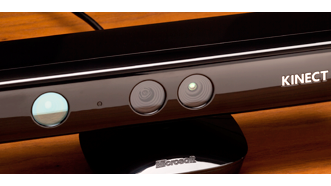
Reflexion Health Inc.'s new interactive physical therapy program lets patients exercise and complete their rehab from home.

DNA sequencing services offered by various personal genomics companies can predict inherited risk for over 2500 genetic disorders.
Scientists have developed biodegradable batteries using dissolvable metal foils and polyanhydride packages which may potentially be used as a power source for embedded health sensors.

Aging population, expanding middle class and increasing healthcare costs propel the UAE to adopt Telehealth in a big way with impressive results.
.jpg)
Dubai plans to build 22 hospitals to attract at least 500,000 medical tourists a year by 2020 and earn USD 713 million in revenue.
According to a market research report published by Research2Guidance, 7.8% of diabetics with access to smartphones will use diabetes mHealth apps but warns that most apps fail to meet the best practice standards.
Nielsen’s survey of nearly 4,000 respondents reveals that popularity of wearables is rapidly increasing and 15% of people who heard the term �?wearables’ currently use one but high prices remain a barrier.
IBM is set to partner with the New York Genome Center to test a unique Watson prototype designed specifically for genomic research to identify genetic drivers behind various cancer diseases.
Bioneedle Technologies Group is working on a smart and safer way to administer vaccines using biodegradable mini implants.
Social networks are changing the way various healthcare stakeholders communicate with each other with far reaching implications for healthcare ecosystem.
Artefact Group’s Dialog is a detection and alert system, data gathering app and biometric tracking device all rolled into one. It predicts seizures, alerts bystanders and helps manage all stages of epilepsy.
Using simple, low-cost iPhone adapters, Stanford University researchers have been able to take clinical-quality images of anterior segment of the eyes, practically turning the smartphone into an ophthalmoscope.
Digital health advances in apps, remote monitoring and patient portals help healthcare professionals treat cardiovascular disorders in a far more effective manner than is possible using traditional technology.
Accenture’s survey of 2,000 patients found that the vast majority of patients don’t just want complementary services along with the pills pharma companies try to sell – they expect them.
Healbe’s wearable device GoBe claims to be the first automatic nutrition tracker that can passively measure caloric intake, heart rate, hydration levels, blood pressure, stress, activity, sleep phases, and more.
US-based Proteus Digital Health will open a manufacturing facility in UK in partnership with NHS England and UK Trade & Investment to produce pills with sensors that help track medication adherence.
The twin problems of increasing prevalence of affluence diseases and the shortage of skilled health specialists in the Middle East can be addressed using digital health technology.
Azoi Inc.’s �?Wello’ smartphone case doubles up as a personal health monitor and measures heart rate, blood pressure, temperature, blood oxygen levels and other lung functions and displays the ECG waves from your heart.
An Arizona-based startup First Sign Technologies is about to unveil a smart hair pin with automatic security system that alerts authorities when the wearer is under assault or in trouble.
It’s the universal challenge that faces healthcare providers around the world: the rising cost to provide quality care. But with the ever-expanding offerings of e-Health, those willing to jump into the digital health world are finding the answers they need.
Researchers have developed sensors that can determine how well an antibiotic is working by measuring the concentration of active antibodies in the blood and this could help in developing personalized treatments for infections.
According to a recent report by San Francisco-based Grand View Research, global mHealth market is expected to reach $49.1 billion by the end of 2020 from a base of $2 billion in 2012.
Lockheed Martin adapts the data analytics techniques it uses to detect launched missiles to identify sepsis, a potentially fatal bloodstream infection, 14 to 16 hours earlier than current industry methods.
Sleep tracking healthcare apps and devices help you sleep better by analysing and graphically representing your sleep patterns.
First Warning Systems’ smart bra joins the quantified self movement by spotting changes in breast cell mechanism to detect early signs of breast cancer.
Precision medicine. It’s the term often used when referring to the exciting and emerging field of genomics – where digital health is cutting its teeth on some of the most promising work in healthcare.
Various government initiatives and increasing IT budgets are encouraging providers to adopt health IT programs, the 25th Annual 2014 HIMSS Leadership Survey reveals.

After a slump due to recent economic crisis, the global electronic health records and electronic medical records market is back in the fast lane but innovative solutions will be necessary to sustain the growth, an Accenture report says.
Billed as the largest healthcare project in history, Saudi Arabia’s Integrated and Comprehensive Health Program (ICHM) will have more than 3,500 eHealth facilities using a single patient health record by 2020.
Continuity of care can be a hard thing to come by – but when healthcare providers practice based on electronic health records, it vastly improves the care the patient receives.
The Third Annual HIMSS Analytics Mobile Technology Surveys says that physicians are increasingly using mobile health technology to access patient information and non-PHI.
Rural areas cannot be treated as smaller versions of urban spaces and critical health IT systems must be put in place to meet the challenges faced in rural healthcare delivery, experts say at HIMSS14.
Nursing informatics is moving from a supporting role to one that adds transformative value to implementation and optimization of health IT systems but is facing many challenges in the process.
Privacy, safety and security issues related to health IT systems were high on the agenda on the first day of the conference.
The new SmartSeries connected electric toothbrushes from Oral-B and the accompanied healthcare app help people develop healthy brushing habits through gamification.
mHealth is one of the most rapidly expanding fields of digital health, largely due to the increased access it offers to both consumers and healthcare professionals.
Switching from on-call to telemedicine physician coverage can reduce hospitalization rates and generate annual savings of about $120,000 per nursing home per year, study says.
The ubiquity, cost effectiveness and personalisation of mobile devices are providing unforeseen opportunities to deliver health-related services quickly, cheaply and efficiently.
The Scripps Translational Science Institute and Vantage Health join hands to transform smartphone medical apps into cancer-finding tools using novel gas chromatography and mass spectrometry techniques.
There are many factors the digital health technology industry needs to get right to create the change it is dreaming of creating and boost the technology adoption.
A study by the University of Pennsylvania scientists shows that diagnoses of inpatient dermatologists and teledermatologists match completely 82% of the time and partially match 88% of the time.
It’s an mHealth company’s dream – a region filled with healthcare needs, and some of the highest numbers of smartphone users in the world.
.jpg)
The Institute of Systems Biology’s 100K Wellness Project seeks to understand how digital health devices can change an individual’s health behavior and outcomes.
SmartStop, a programmable transdermal wearable nicotine delivery device, has been able to vastly improve the smoking cessation rates by timing the release of nicotine to the smoker’s intense cravings.
By tracking ingestions of each and every dose of medications, networked wellness systems will ensure high medication compliance in chronic care management resulting in better health outcomes.
By delivering presorted individual pill packets organized by date and time to patient’s doorstep, PillPack simplifies the process of medication management.
Healthcare organisations are increasingly leveraging on the use of social media in healthcare to engage consumers and build communities.
.jpg)
Health information technology advances in neuro-technology and brainwave scanning devices may soon let us manipulate physical objects using our thoughts.
.jpg)
Digital health technology industry will see more acquisitions in both patient-facing and provider-facing ends, increased fitness sensor commoditization, increased medical sensor innovation and greater concern over privacy issues in the year 2014.
CARROT Fit is a hilarious talking weight tracker that will inspire, bribe, ridicule, threaten and insult you into losing weight.
Cancer Research UK’s mobile medical app �?Play to Cure: Genes in Space’ intelligently uses gamification to analyse and translate genetic data to advance research on life saving cancer treatments.
.jpg)
GCC governments are creating new initiatives for telemedicine and eHealth, recruiting private partners to join them, and spending the money to make it happen.
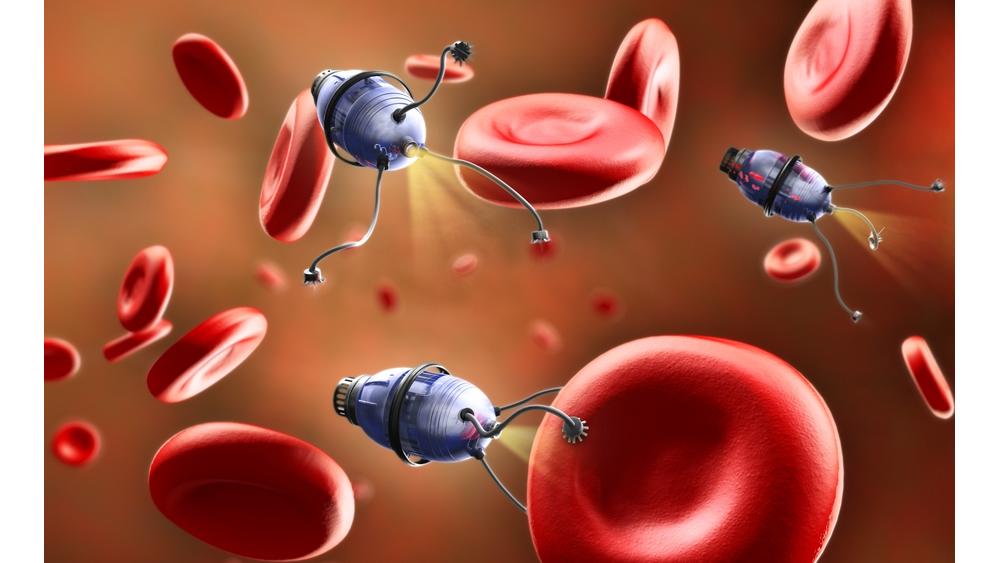
The new technology, called Bacteriobots, has the potential to treat deadly cancer diseases without the side effects of chemotherapy.
A proof-of-concept telehealth services project launched to provide care for diabetics spread across a vast rural Mississippi area may have answers to the UAE’s diabetes dilemma.
The Qatar Biomedical Research Institute research team has developed a new line of diabetes treatment using stem cells that could possibly solve the Middle East’s burgeoning diabetes problem.
By improving interconnectivity of various stakeholders in the healthcare delivery chain using industrial internet platforms, GE intends to lower costs and increase efficiency.
The UAE leads the way in digital health technology adoption and signs multiple deals on Big Data, mHealth, telehealth and genomics at the Arab Health Congress.
The first bilingual health and wellness app in the region by du draws applause at the Arab Health Exhibition & Congress 2014.

Big data, Exhaust Data, Industrial Internet and Clinical Applications are the buzzwords at the two-day big data Conference at the Arab Health Exhibition and Congress.
The region’s largest healthcare event opens doors on more than 65,000 sqm of floor space with nearly 4,000 exhibitors from over 150 countries.

With more than 300 exhibitors and a 40% growth in the footprint, digital health is the tech trend to watch for at the International CES 2014.
.jpg)
Using big data tools, large amounts of clinical and genomic data can be analysed to improve personalised care and significantly reduce healthcare costs.
The rapidly growing count of ailments has motivated people to choose health care plans that can help them in staying informed about their overall health.
International thought leaders in digital health gathered to discuss and collaborate on aging, chronic diseases and care coordination.
Where are the influential marketing & branding focused thought leaders helping to drive better patient care?
Apologies
These features are reserved for registered users of nuviun.com. Registration is FREE.
It's simple to:
You have unfavourited the article [title]